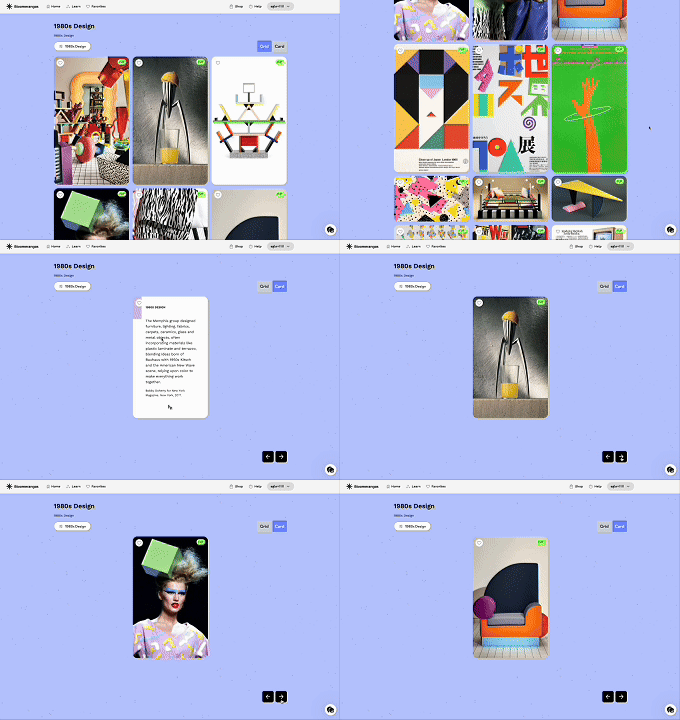
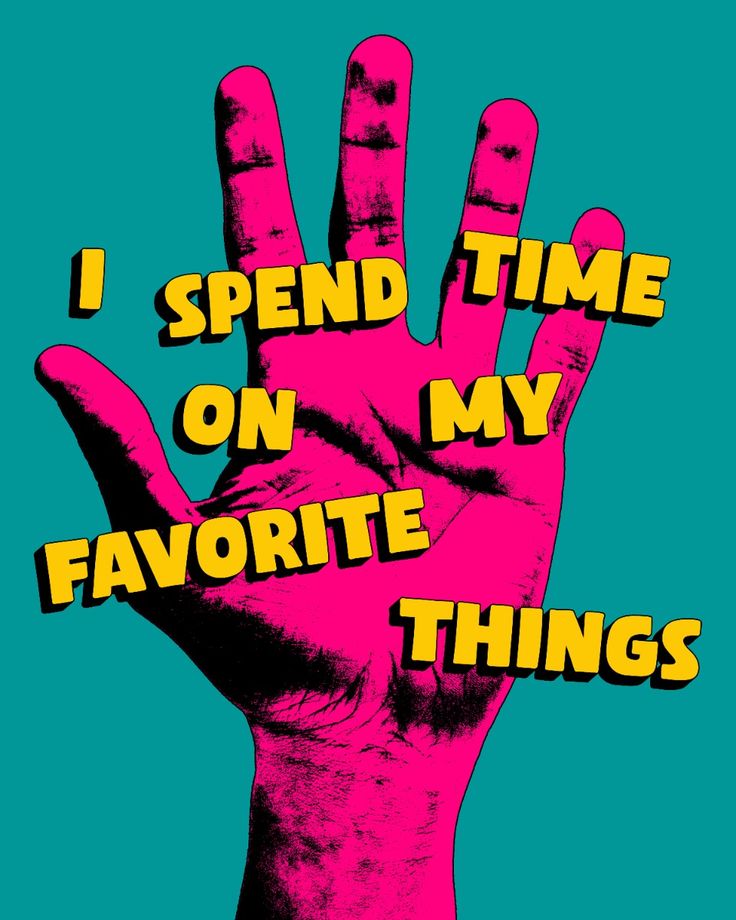
You’ve probably come across Tyler Spangler’s work somewhere on the internet—perhaps even on your desktop background without realizing it. His art is an explosion of colour, form and fearless experimentation that blending into a vivid digital collage with a psychedelic touch.
But Tyler’s career as a freelance designer career didn’t start as a carefully planned or calculated move, instead it was more like a series of waves-each one pulling him toward the place he was meant to be.
Through this conversation, Tyler shares how he built a career on authenticity and creative integrity, refusing to conform to industry expectations. When you create what feels true to you, you stand out in a world full of noise.
Listen to this Episode on Bloomerangas Podcast 🎙️
Subscribe to the Bloomerangas Podcast



From Surfboards to Digital Canvases
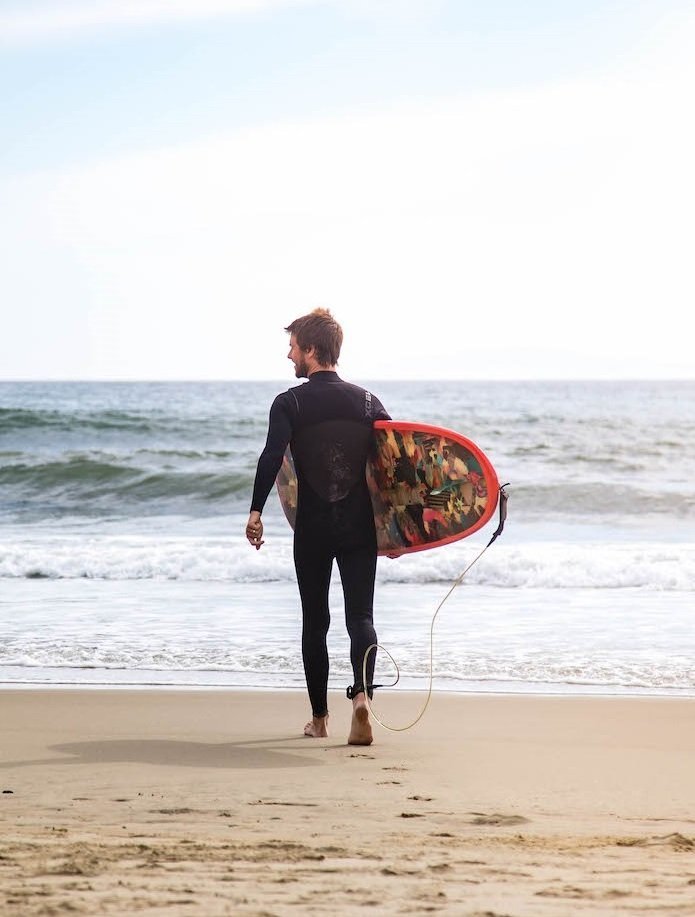
As a child, Tyler loved to draw. His classmates often asked him to create artwork for them, which reinforced his confidence and made him wonder if he truly had a talent for it. He used to experiment with drawing on his surfboards.
“I would get like the brightest colored paint pens I could find and just try and make like the white surfboard as bright as possible,” he recalls.
A moment that stuck with him happened one day as he was walking along the beach. A woman stopped him and said, “Wow, that’s the coolest surfboard I’ve ever seen.” This seemingly simple interaction left a lasting impression.
His passion for colour and bold design wasn’t just encouraged by those around him—it was something he genuinely enjoyed. For Tyler, drawing became an escape, a form of relaxation rather than a career pursuit. In his free time, he designed band flyers, album covers, and even decorated his own bedroom walls with his artwork, simply for the joy of creating.
Discovering Design as a Career
It wasn’t until high school that Tyler was introduced to commercial art and graphic design. His new school had a commercial art department where he first learned about screen printing and Photoshop (back in 2002!). For the first time, he realized that graphic design was a real career path—something he could actually study in college.
But instead of pursuing art professionally, he chose the “safe route” and studied psychology, a field he found equally fascinating. Throughout his studies, he continued to draw in his free time. Over time, he began to see how art and psychology intertwined—his knowledge of human behavior and emotion shaped how he used color, imagery, and composition to create an emotional impact.
Finding His Voice in a World of Noise
Tyler eventually realized that making art was not just something he enjoyed—it was something he needed. He dove into graphic design, but with a strong belief and philosophy that he wasn’t going to chase trends or mold himself to fit the industry’s expectations. Instead, he would create the work he wanted to see in the world.
This belief shaped his approach to freelancing. “If you create something truly unique to yourself,” he explained, “you have no competition—because no one else has lived your life or sees the world exactly as you do.”
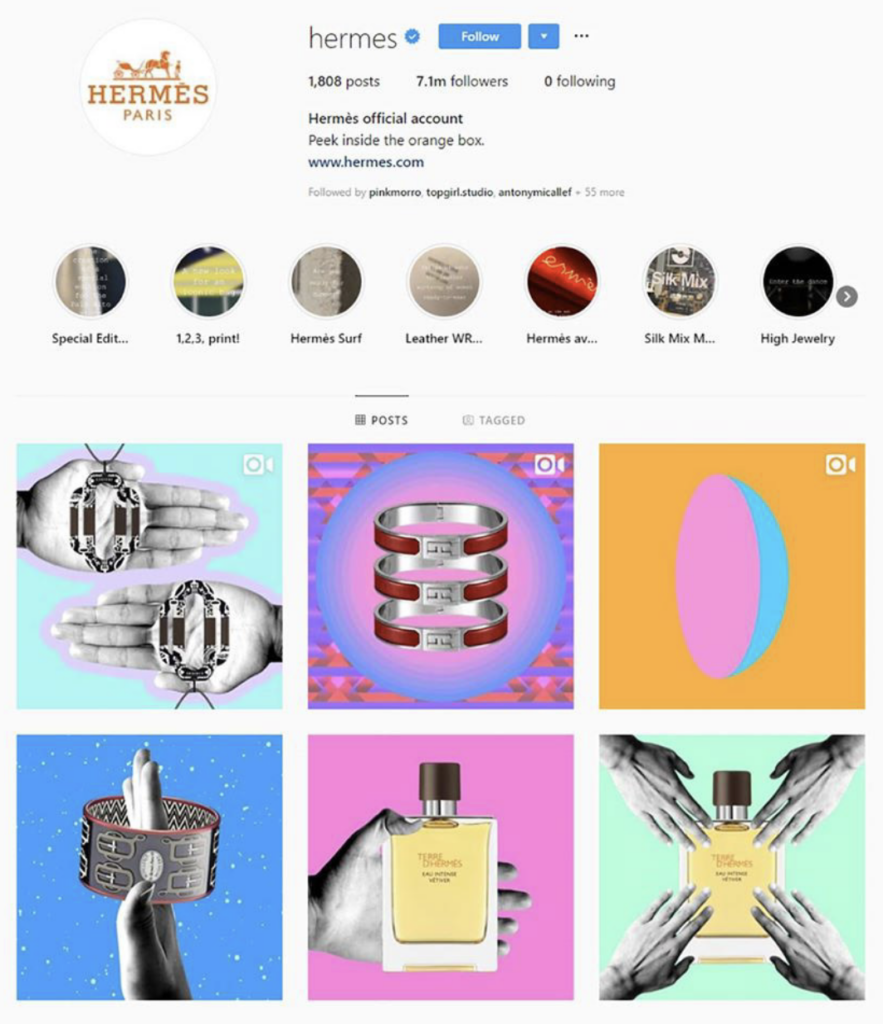
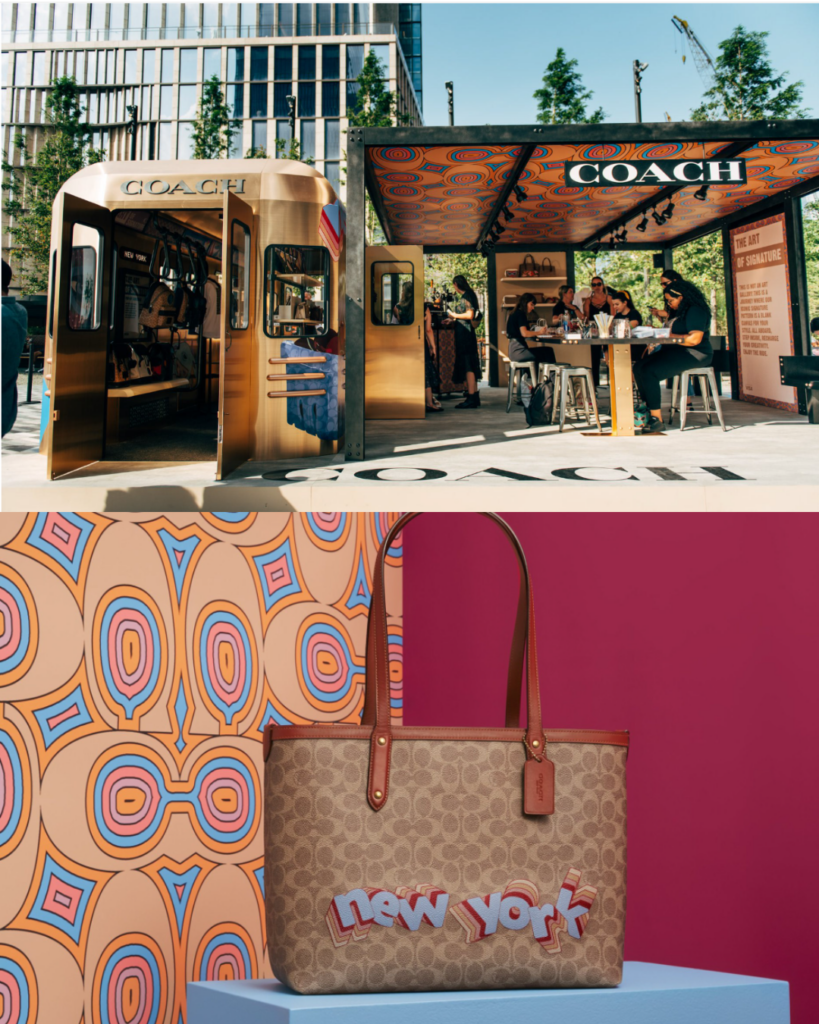
This mindset led him to work with some of the biggest brands in the world—Hermès, Red Bull, Gucci, Adobe—companies that sought him out not because he adapted to their needs, but because his work already had a powerful identity of its own.
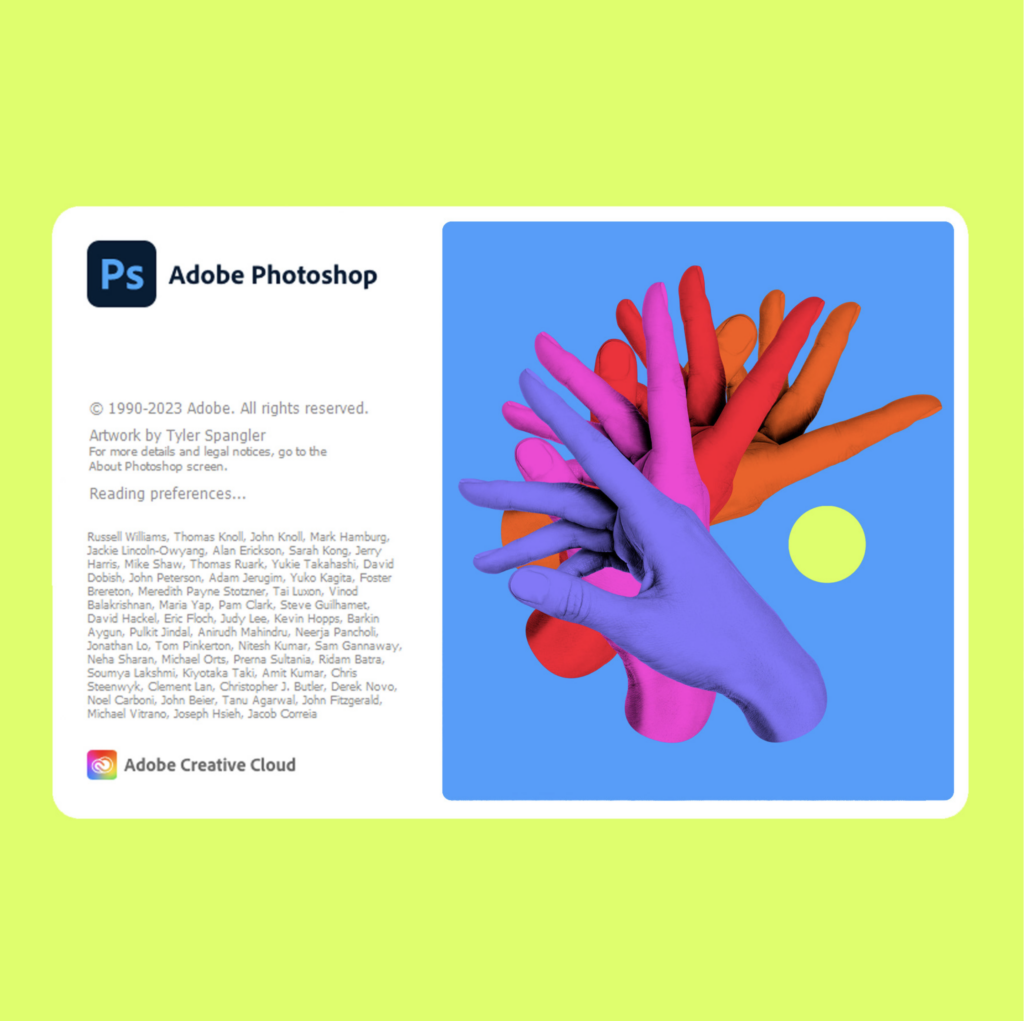
Creativity as a Rebellion
Tyler’s work is deeply inspired by punk rock, psychedelic culture, and the raw energy of surf and skate scenes.
“I’ve always loved things that are loud and exciting,” he said. “That’s what draws me in.”
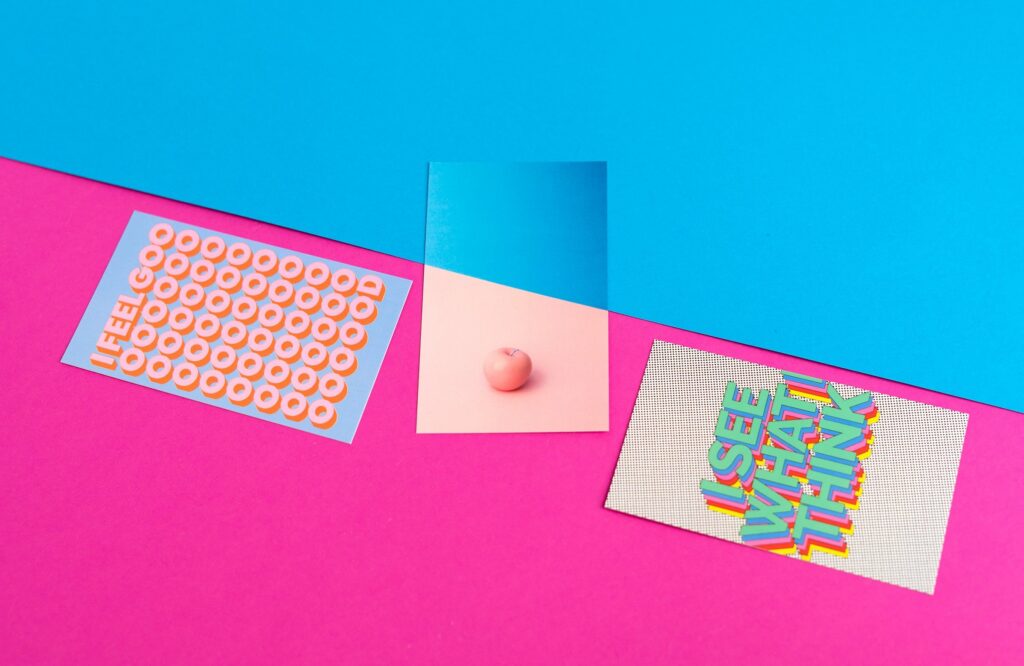
This freedom of expression extends beyond his art and into his work ethic. Rather then bending entirely to client’s expectations, he finds a way to blend his aesthetics into their vision.
Tyler reflects on the fine line between being a graphic designer and a fine artist:
“A graphic designer is more serving the client to reach their goals. And they put their own kind of aesthetics on the side or whatever. Whereas an artist is like, make for themselves as opposed to, and then if whoever wants it, wants it. But I feel like I kind of like, float in between those two worlds.”
Sometimes, this balance means stepping outside his comfort zone—like when Coach required him to work within a muted color palette. At first, he struggled, but ultimately, he found a way to make it his own. “That project actually taught me to appreciate darker tones,” he admitted. “Now I love incorporating them to add depth.”
The Art of Staying Independent
Freelancing is a tricky dance between creative freedom and financial stability. Tyler’s approach? Keep expenses low, stay true to your art, and don’t let the uncertainty of the market dictate your creative choices.
“If you start making work based on what you think will sell or what’s trending, people can tell,” he warned. “There’s something about authenticity—it’s either there, or it’s not.”
Also, he noted that it’s important to maintain strong relationships with past clients, especially in the creative industry where people often move around “Someone I worked with five years ago might now be at a new company, and they’ll reach out for a project,” he explained. “It’s all about building connections.”
Lessons from Tyler Spangler for Creatives
- Stay true to your vision. Create the work you want to see in the world, not what you think people expect.
- Experiment fearlessly. Try different mediums, aesthetics, and styles—but make sure your work still reflects you.
- Follow the path that excites you. Whether it’s freelancing, working in a studio, or starting your own brand, find what aligns with your values and lifestyle.
For Tyler, creativity isn’t just about making things look cool—it’s about making things feel something. It’s about tapping into a world of color, energy, and bold ideas that might just make someone stop in their tracks and say, “Wow, that’s the coolest thing I’ve ever seen.”
And in a world full of noise, that kind of impact is priceless.