Thierry Brunfaut, Creative Director and Founding Partner of Base Design, has spent more than three decades reminding both clients and designers that branding is not about fitting in—it’s about daring to stand out.
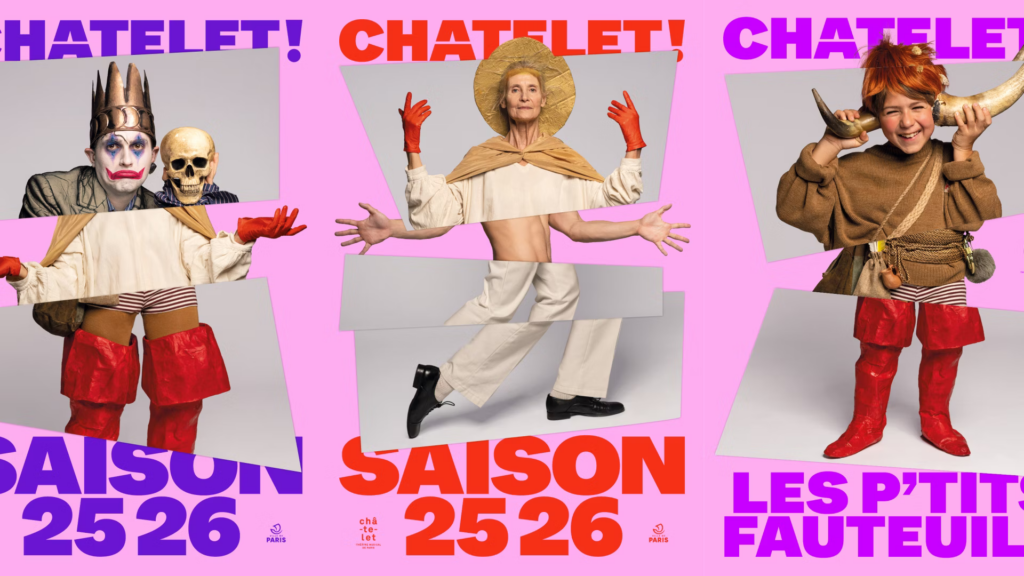
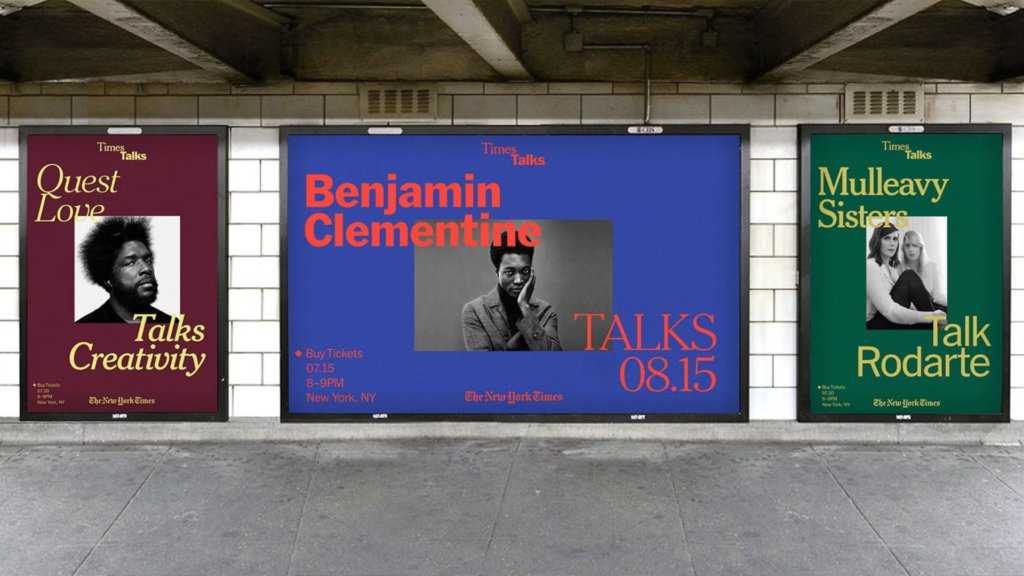
Base Design, with studios in Brussels, New York, Geneva, and Melbourne, is known for shaping bold identities for clients like MoMA, the Louis Vuitton Foundation, and Théâtre du Châtelet.
In this talk, Thierry dives into the importance of staying authentic in design, the pitfalls of blending in branding, and the role emotional intelligence plays in client relationships. He shares why adaptability is crucial in today’s unpredictable market and what qualities modern designers need to thrive. He also highlights the dynamics of team collaboration, showing how creativity and collective effort can move past roadblocks.
Let’s dive in!
Listen to this Episode on Bloomerangas Podcast 🎙️
Subscribe to the Bloomerangas Podcast



The Blanding Phenomenon
In 2018, Thierry Brunfaut and writer Tom Greenwood described a phenomenon they called blanding—the homogenization of brands, especially in the tech world. This trend was fueled by Pinterest-driven references, copycat startups, and the gravitational pull of giants like Apple and Google, brands began to look like teenagers copying each other’s outfits just to fit in.
For Thierry, this sameness was alarming. This tendency to play it safe doesn’t just affect design—it also shapes the relationships and emotions at the heart of branding work, which is where Thierry’s idea of ‘branding as therapy’ comes in. “Branding is about differentiation,” he says. “If everyone is blending, no one is remembered.” Over ten years later, the issue remains as relevant as ever—especially in the era of AI-generated design. He emphasized that the deeper issue lies in brands seeking safety through sameness. Clients often want reassurance, so they gravitate toward what feels familiar, even if it erodes originality. For designers, the challenge is to guide them past that fear and into authenticity.
Branding as Therapy
Building on this theme, Thierry went deeper into his view of the design process as a form of therapy. When Base runs workshops, they aren’t just defining logos or taglines—they’re navigating fears, egos, and sometimes even generational conflicts within companies.
“It’s not a little therapy,” he says. “It’s full-on therapy.” He described workshops where older and younger generations clash over vision, or where deep-rooted insecurities about change surface. These moments can be uncomfortable, but they’re also essential. By asking difficult questions, Base helps clients see themselves clearly—sometimes for the first time. The result is more than just a visual identity: it’s a mirror that reflects who the brand truly is. This deeper work naturally sets the stage for the next challenge—how far clients are willing to go when risk enters the equation.
The Risk Factor
Risk is central to Base’s philosophy. But not every client is ready to go all the way. Thierry describes an internal “barometer” that guides how far the studio can push: sometimes only to a 5 out of 10, other times all the way to a 9. What matters is recognizing that threshold early.
The first client meeting is where those boundaries are set. Thierry makes it clear that Base is a partner, not a service provider. “If I don’t believe you, I’ll tell you. And I expect the same honesty back,” he explains. This candor builds trust and clears the path for boldness. When the foundation of the relationship is sincere, designers and clients can venture further into the unknown together. This focus on risk and honesty leads naturally into another cornerstone of Thierry’s philosophy: the central role of storytelling in making brands memorable and alive.

Storytelling at the Core
Beyond visuals, what truly sets Thierry apart is his philosophy: don’t design for designers, design for people. He emphasizes storytelling as the lifeblood of branding. For him, strategy is never just rational. It’s poetic, contextual, and custom-built. Even the tone of a strategy presentation—the words, typography, and rhythm—must reflect the brand’s unique voice.
“It’s not about analyzing everything coldly,” he says. “It’s about crafting a story that people want to tell and retell.” That’s why strategists at Base come from diverse backgrounds—journalism, film, even unrelated fields. Their job is not only to analyze the competition but to frame the brand’s difference as a compelling narrative. This way, when clients see their story, they’re not just convinced intellectually—they feel ownership emotionally. This narrative-first mindset also connects to how Base itself is structured—not just designing for clients, but designing the company culture to embody the same principles of uniqueness and adaptability.


Designing a Design Company
Thierry has also spent years shaping Base itself as a design experiment. Each studio operates autonomously within a shared ethical framework, adapting to its local culture while feeding into a global ecosystem. Brussels doesn’t look like Geneva; New York doesn’t mirror Melbourne. Each studio reflects its context while staying connected to the larger Base identity.
Processes like “inclusions” (team check-ins where everyone shares how they feel) and shared lunches where colleagues cook for each other may seem simple, but they build a culture of transparency, empathy, and mutual adjustment. These rituals prevent small tensions from festering and keep the team aligned on a human level.
Thierry Brunfaut reminds us to embrace honesty and openness from the very first conversation, creating a space of candor and trust where bold ideas can emerge. He cautions against chasing safety by copying others and instead urges us to lean into our own difference. By cultivating authentic relationships, staying adaptable, and daring to take calculated risks, we set the stage for design that not only stands out but also resonates deeply with people.
Here are upcoming talks from Base Design:
- Thierry Brunfaut will be giving a talk at OFFF Seville (November 27–29, 2025) on the theme “How to design a design studio.” The talk will highlight his perspective on studio culture and the principles that shape creative organizations.
- Aurélia de Azambuja, a senior designer at Base, will give her talk “How to Make the Logo Bigger When the World Is Burning” at OFFF Barcelona 2026 (April 16-18, 2026).