Formafantasma is a research-driven design studio founded in 2009 by Italian designers Andrea Trimarchi and Simone Farresin. The studio is based in Milan, with a small office in Rotterdam.
Over the years, Formafantasma have developed products, spatial projects, installations, and exhibitions both independently and in collaboration with brands such as Hermès, Lexus, Max Mara, and Bvlgari, while continuing to present self-initiated research in galleries and museums.
Listen to this Episode on Bloomerangas Podcast 🎙️
Subscribe to the Bloomerangas Podcast



Central to Formafantasma’s practice is a creative process shaped by listening, imagination, and responsibility. Each project begins with careful dialogue, allowing the designers to understand a client’s intentions and context before determining the most appropriate form. As they explain, the ideal collaboration is either “a very thoughtful conversation” or complete creative freedom — in which case they let ideas lead the way, allowing form and format to emerge organically from the process.
In this talk, Andrea Trimarchi and Simone Farresin open up about their creative process. They dive deeper into the thinking behind projects such as Prada Frames and Staging Modernity for Cassina, reflect on design’s responsibility in a complex world, and share their perspective on ethics, AI, and working with brands in more meaningful ways.
A Boundless Design Practice, Preserving Creative Freedom and Depth
Formafantasma’s practice defies the conventional boundaries of design studio work. The duo takes on an array of project types – from product design and furniture for industry clients, to immersive spatial installations and exhibition designs for cultural institutions, to even acting as curators for museums and brands. This multi-faceted approach gives Formafantasma a unique flexibility to operate across the commercial and art/design worlds.
Crucially, this breadth of work is an intentional strategy to preserve creative freedom and depth. The designers are “interested in [an] expansive understanding of design” and have developed the capability to execute ideas in whatever format best fits the context. By not limiting themselves to a single niche, they avoid getting pigeonholed. “If we are depending only on one way of approaching design or one type of client or one context of working, I think we would be very much limited by the clichés that are inevitable in any kind of work,” they note. Instead, “this variety of works allows us to work on projects that we like, to skip the ones we don’t like, and to maintain a certain degree of flexibility and independence”.
Prada Frames: A Platform for Critical Conversations
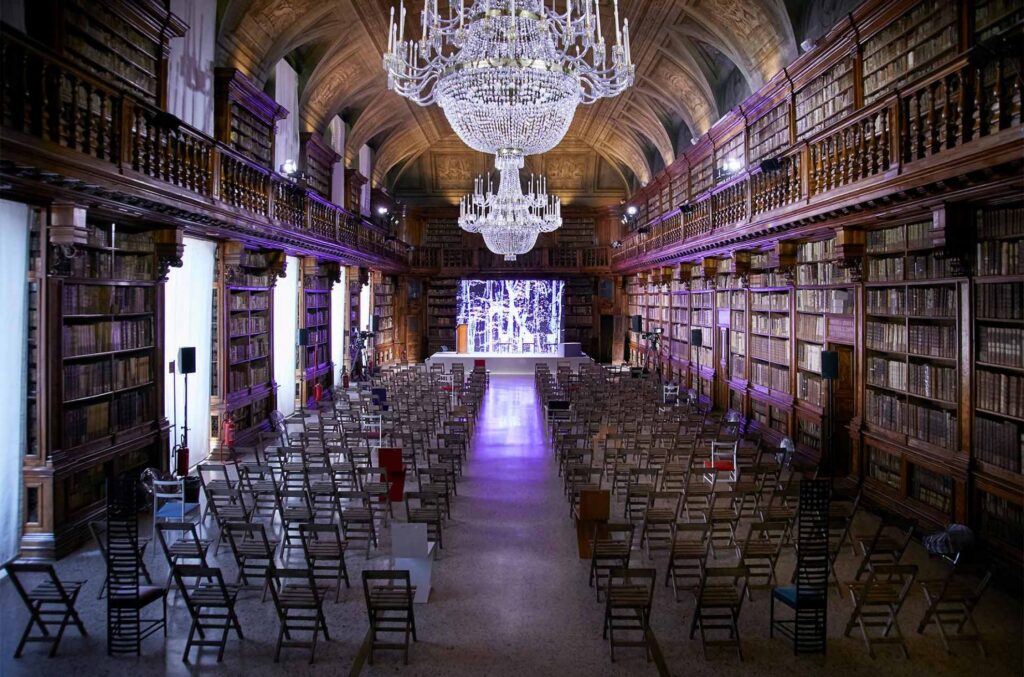
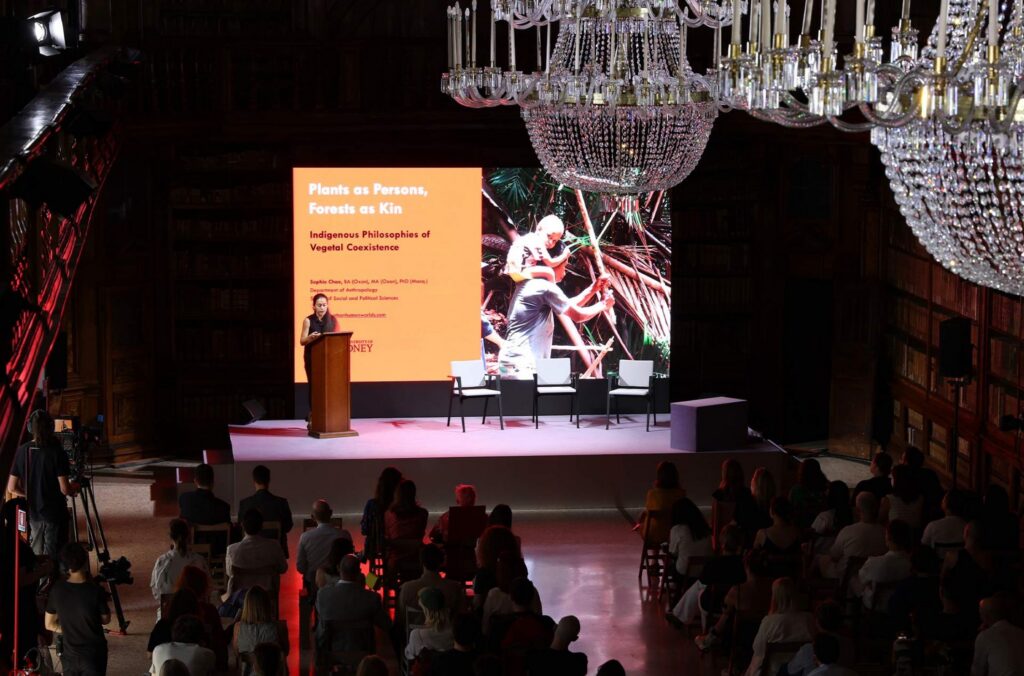
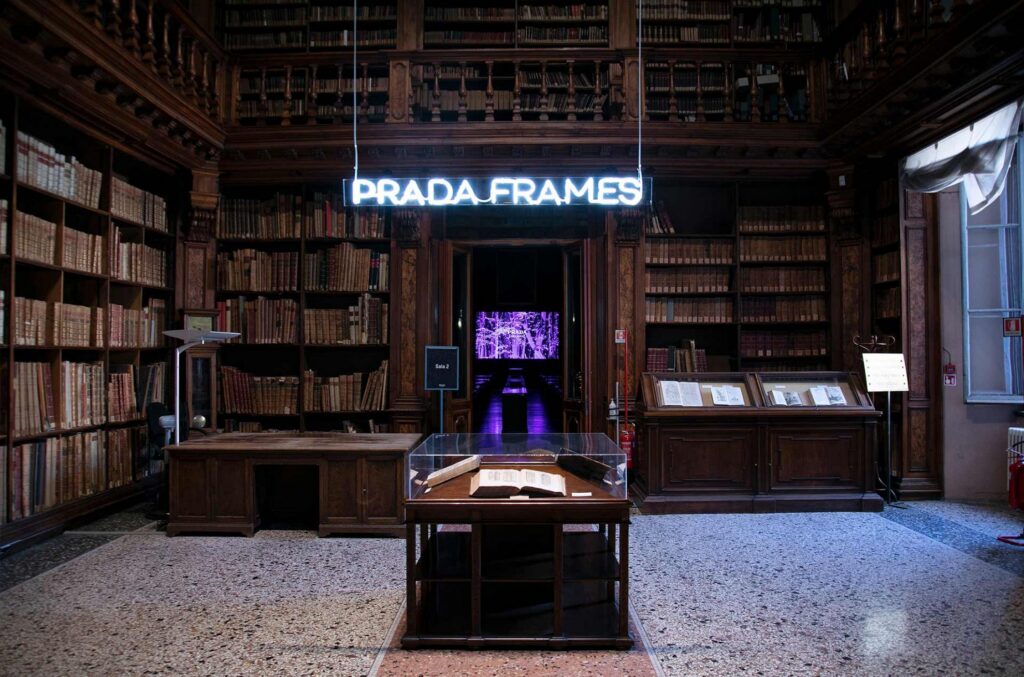
One standout example of Formafantasma’s work is their ongoing collaboration with the fashion house Prada. Prada Frames originated from an open brief: prior to the 2020 pandemic, Prada approached Formafantasma with the intention of participating in Milan’s Salone del Mobile in a new and more innovative way. Rather than mounting another product showcase, Prada wanted to move beyond that format and create something more intellectually engaging. After several iterations, the concept of Prada Frames took shape as a traveling symposium series.
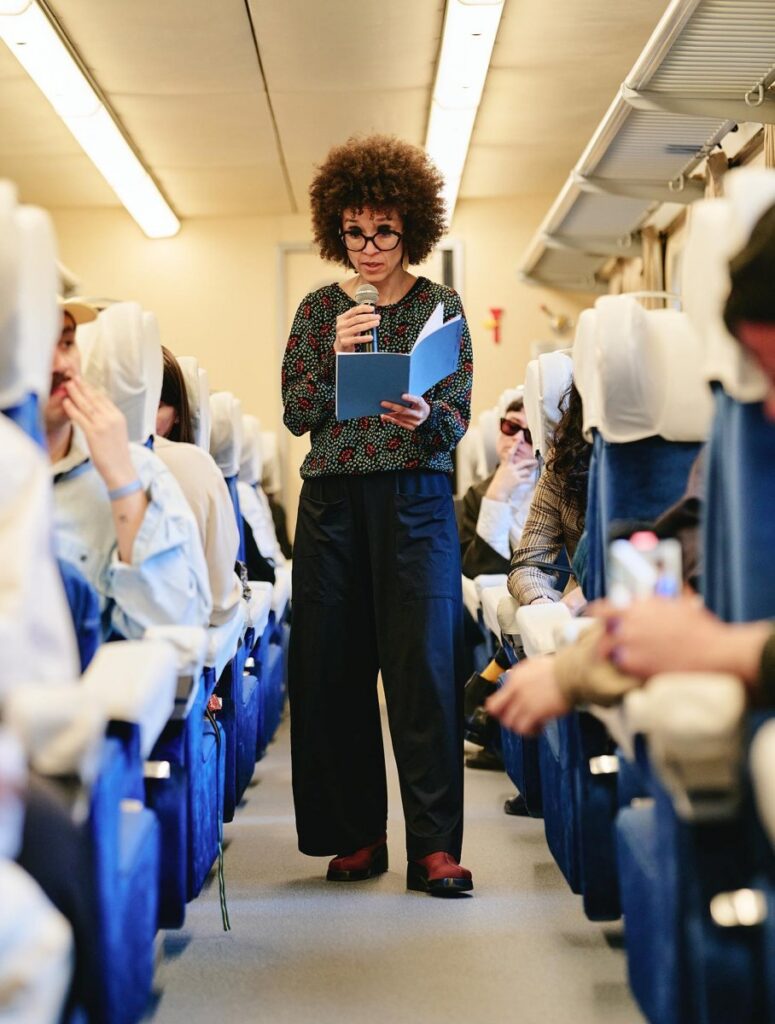
Launched during Milan Design Week, it consists of interdisciplinary talks and conversations. “We did not want it to become a celebration of the individual author. It is transdisciplinary – we involve anthropologists, philosophers, architects, designers, but also policymakers, writers,”. Each year, they choose a critical theme and an unconventional venue that reinforces the topic.
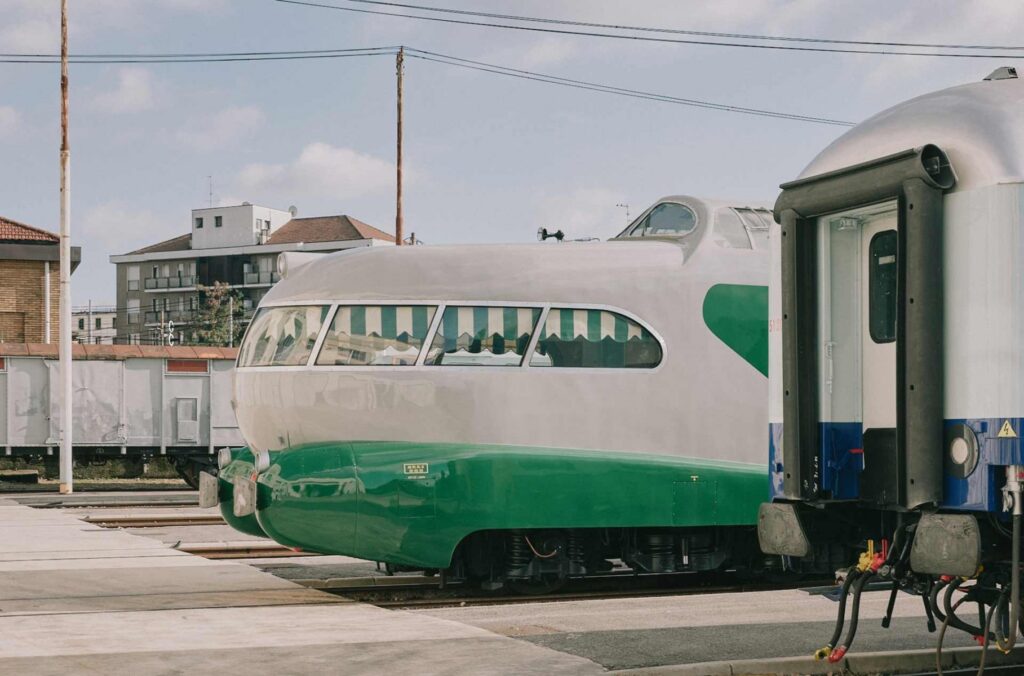
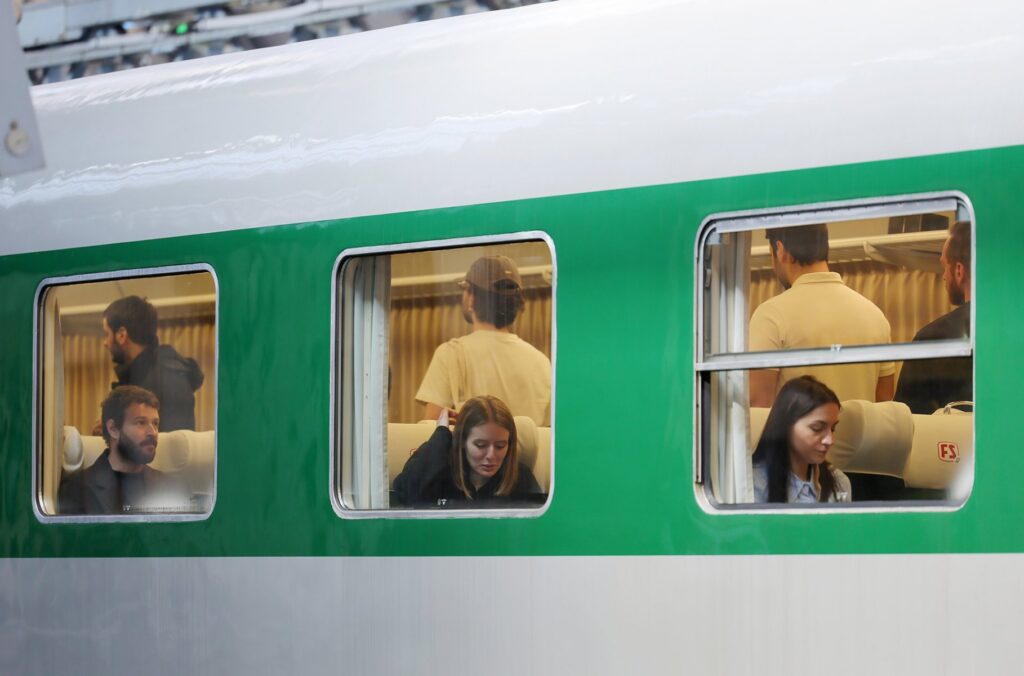
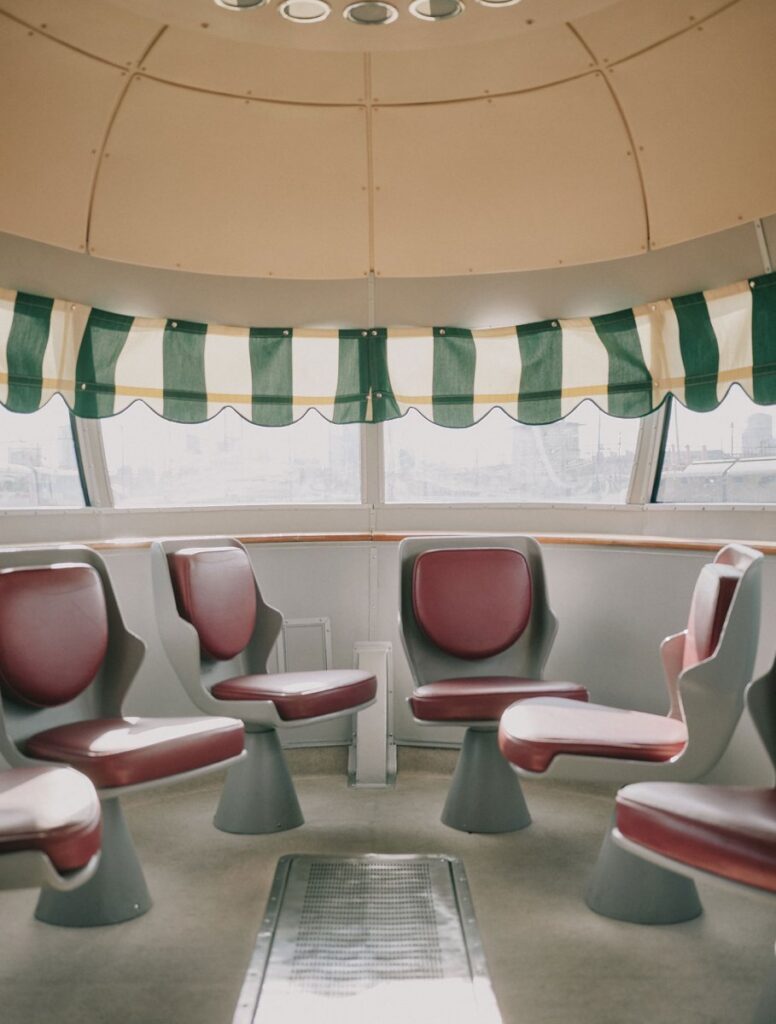
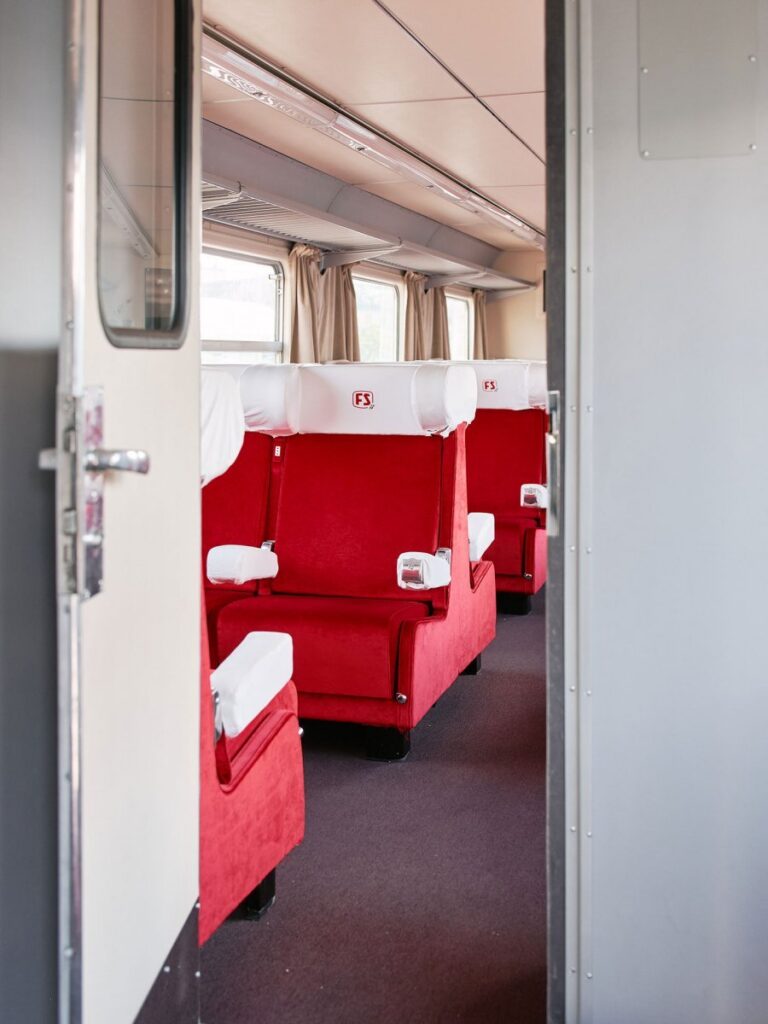
For example, the 2023 edition titled “Prada Frames – In Transit” examined the often invisible infrastructures behind design and technology. To immerse participants in this theme, the symposium took place in Milan’s Central Train Station, with discussions hosted inside a vintage train carriage designed by Gio Ponti.
Such a cerebral, non-commercial initiative might have initially raised eyebrows within Prada’s marketing team, but it had strong support from Miuccia Prada herself. “She wants to make sure that it is also intelligent and useful”. Unencumbered by the need to push a product line, Formafantasma and Prada have created something genuinely novel for the design community – a space where a luxury brand facilitates critical conversation about design’s context and impact.
Prada Frames has evolved into a long-term collaboration built on trust and mutual intellectual curiosity. Formafantasma recounts that they enjoy “a very deep degree of freedom and intellectual freedom” in shaping Prada Frames – a degree of latitude that is “rare to find” in typical client commissions. The studio essentially operates as a think-tank for Prada during this project, with the brand acting as an enlightened patron.
“It’s rare to find a partner with which you can construct a thinking that is lasting for a very long time”. This underscores a core theme in Formafantasma’s work: the most fruitful brand collaborations are those that give designers room to explore big ideas and invest in outcomes beyond immediate marketing gains.
Staging Modernity: A Critical Look at Modernism
Another project that exemplifies Formafantasma’s boundary-pushing approach is their recent collaboration with iconic Italian furniture manufacturer Cassina presented during Milan Design Week 2023. Cassina invited Formafantasma to celebrate the near-100-year legacy of its famous modernist designs (the tubular steel furniture classics by Le Corbusier, Pierre Jeanneret, and Charlotte Perriand).
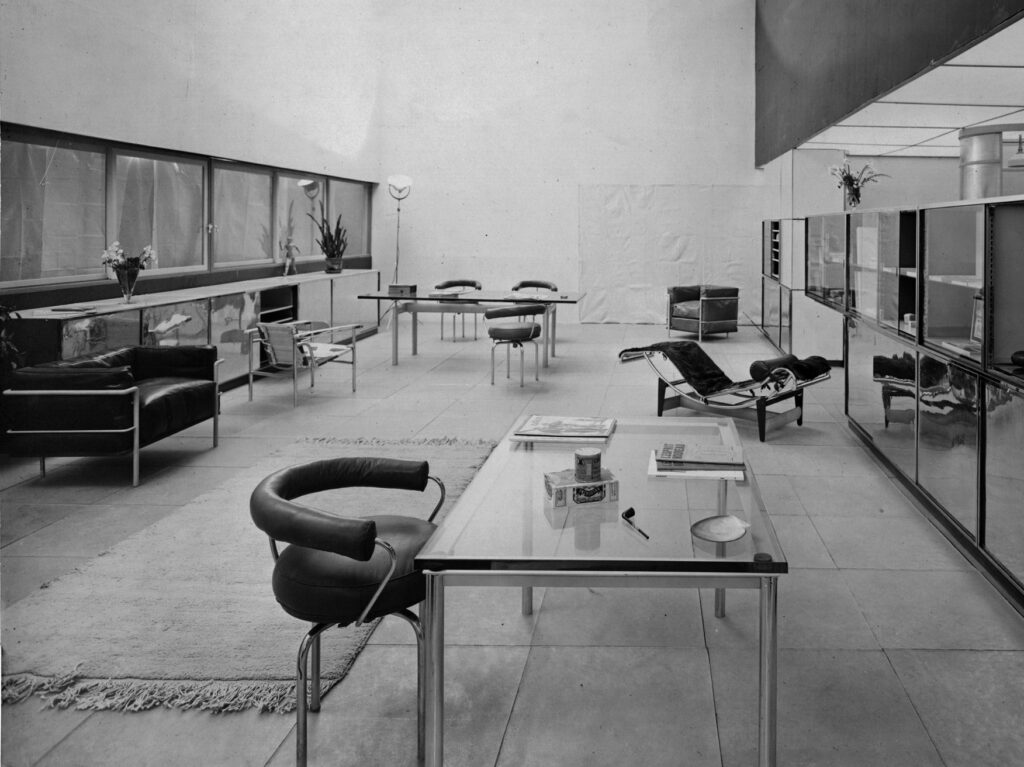
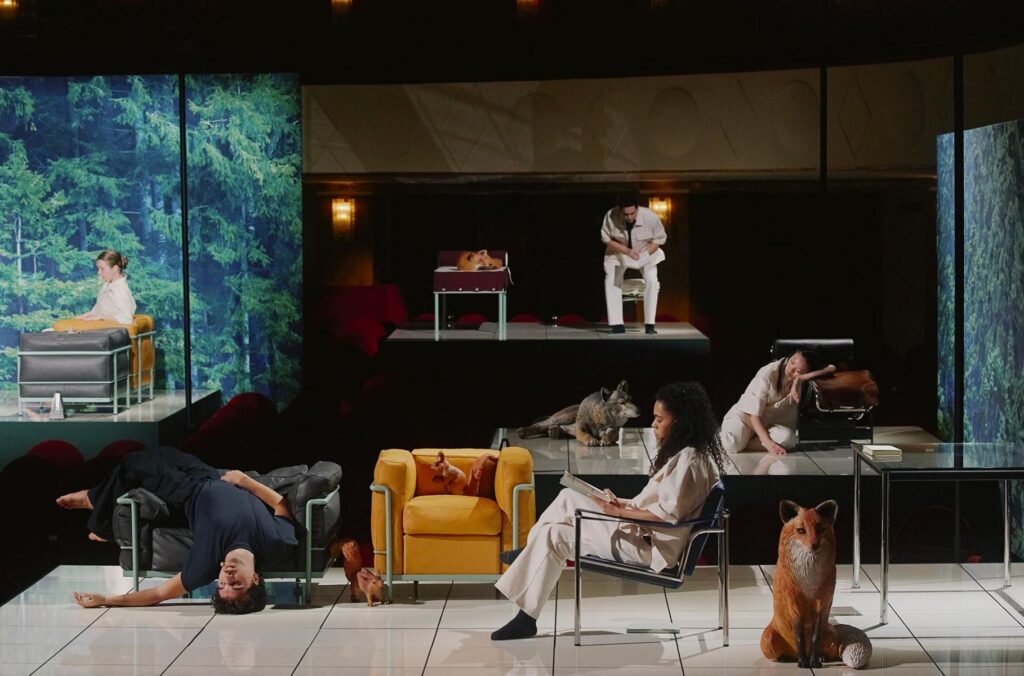
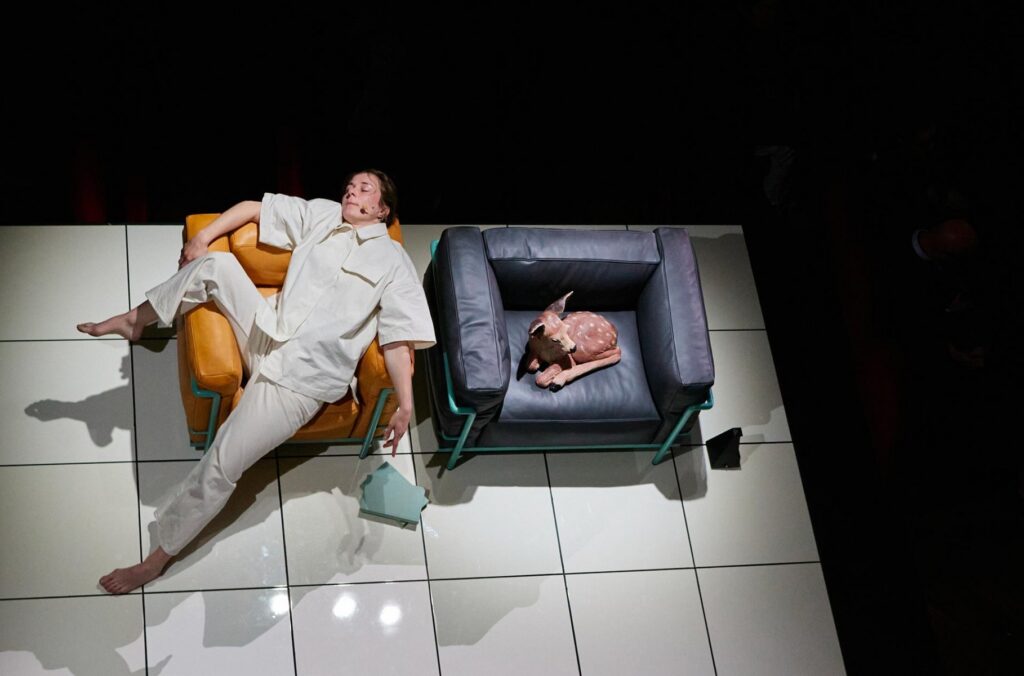
The concept began with a provocative question: “What would happen if animals would invade the space of modernity?”. This idea was sparked by the observation that high modernism often sought to exclude nature – “the beginning of modernity was a lot about creating… a safe shelter that was closing up from what is outside in the world, away from nature,”. Le Corbusier famously described the house as “a machine for living,”and indeed the tubular steel chairs and chaise lounges Cassina produces are emblematic of that machine-age optimism. But today, the designers argue, “nobody… would ever describe the house where we live as a machine. We don’t actually want to live in a machine”. In the 2020s, after decades of environmental degradation, the modernist dream of total efficiency and control feels outdated. “We’ve seen the failure of modernity… the failure of this thinking of a total rationality,” noting that we are now confronted with “a climate crisis, a biodiversity crisis… essentially a crisis of the planet Earth”.
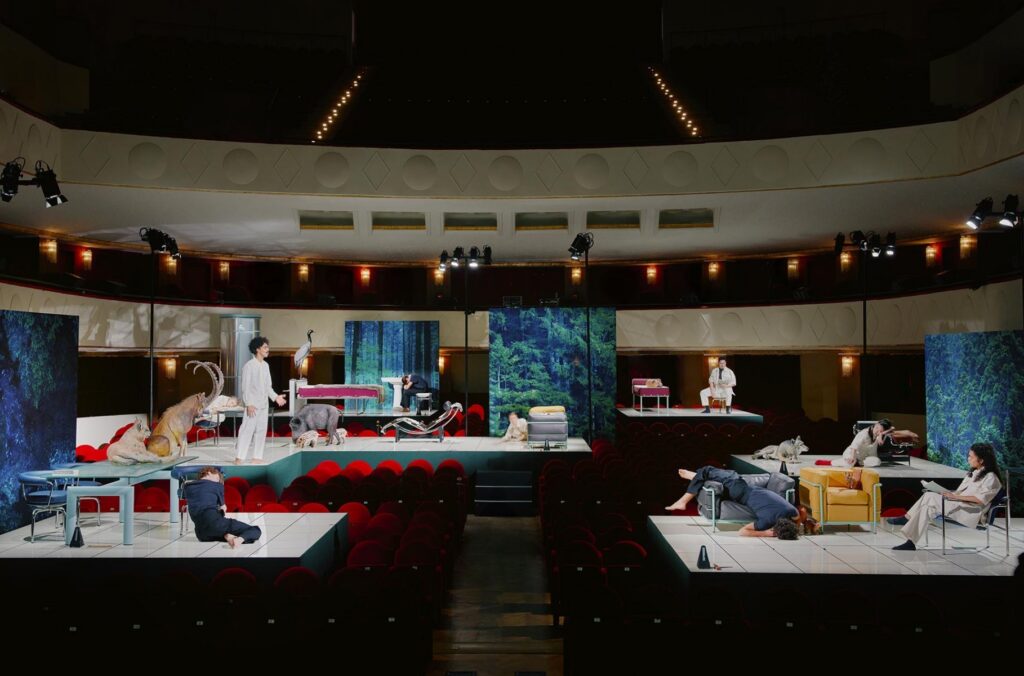
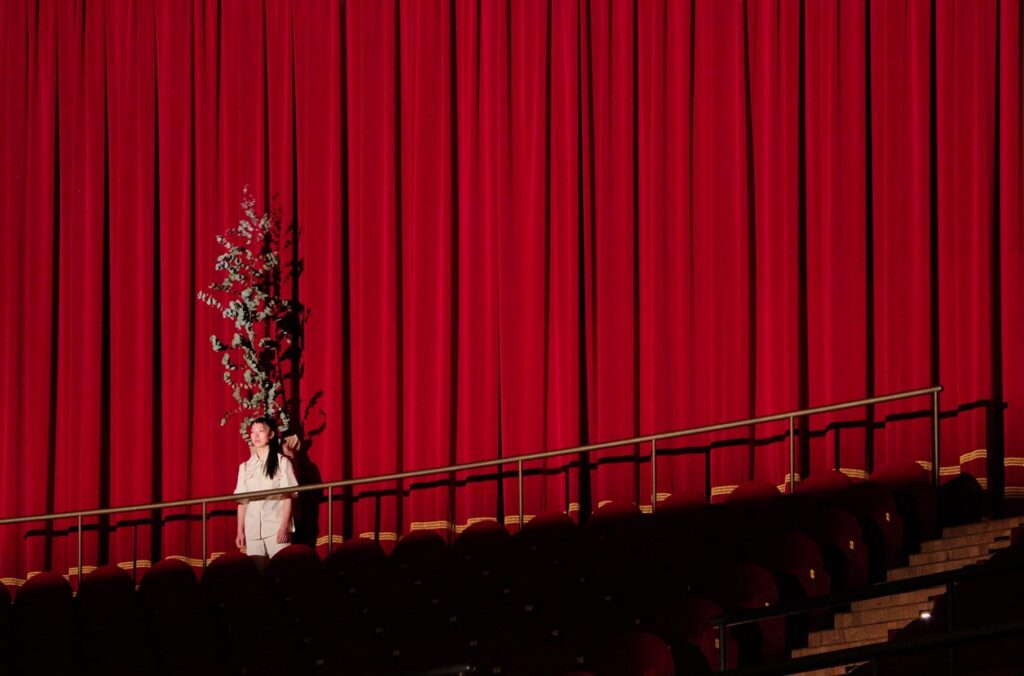
With this critique in mind, Formafantasma turned Cassina’s commemorative exhibition into a theatrical allegory. It confronted the audience with a surreal tableau: the canonical Cassina furniture designs on stage and in the seating areas, “invaded” by the presence of wild creatures and accompanied by spoken reflections on modernity’s legacy. This dramatic format allowed Formafantasma to pay homage to the genius of the modernist pioneers while also questioning their blind spots. “We thought it was really beautiful that Cassina understood that it was important to allow us to do that – not only to be there to celebrate… how great these pieces are, but to understand that… it is also important to look at them from a critical perspective, in a way to deeply celebrate them,”. By daring to mix revered icons with a dose of creative subversion, Formafantasma and Cassina created a memorable “theater” of design that invited reflection on modernism’s ideals versus today’s realities.
A Philosophy of Brand Collaboration
Formafantasma’s work with Prada and Cassina highlights a clear philosophy in their approach to brand collaboration. Early in their career, topics like ecology and social responsibility “were there, but they were not really theorized,” they admit. The studio used its first ten years to dive deep into these issues independently. Eventually, as global awareness of sustainability caught up, what was once a hard sell turned into a draw. “There was a moment in which those topics were becoming mainstream… so we also found alignment with what the clients needed. …Clients now are coming because of that – because of the kind of approach we have,” they explain.
Even so, the studio is mindful that not every commissioned project can be as radical or idealistic as one of their self-initiated works. The key, then, is fostering the right kind of client relationship that allows meaning to flourish. More than any specific sector or design typology, Formafantasma looks for partners with the proper mindset. “What makes the difference is more the relationship that you establish with a client rather than the subject [matter]. It’s about the openness, the desire of having a real engagement, [and] the ambitions of the commission”. In an ideal collaboration, there is either an active, intellectually curious exchange or, conversely, an act of trust where the client gives them free rein. “When you can establish a very thoughtful conversation with a client, that’s the best. The second best is when a client just lets you do the work,” they say. This candid perspective underlines their belief that meaningful design requires either deep dialogue or creative freedom—and preferably both.
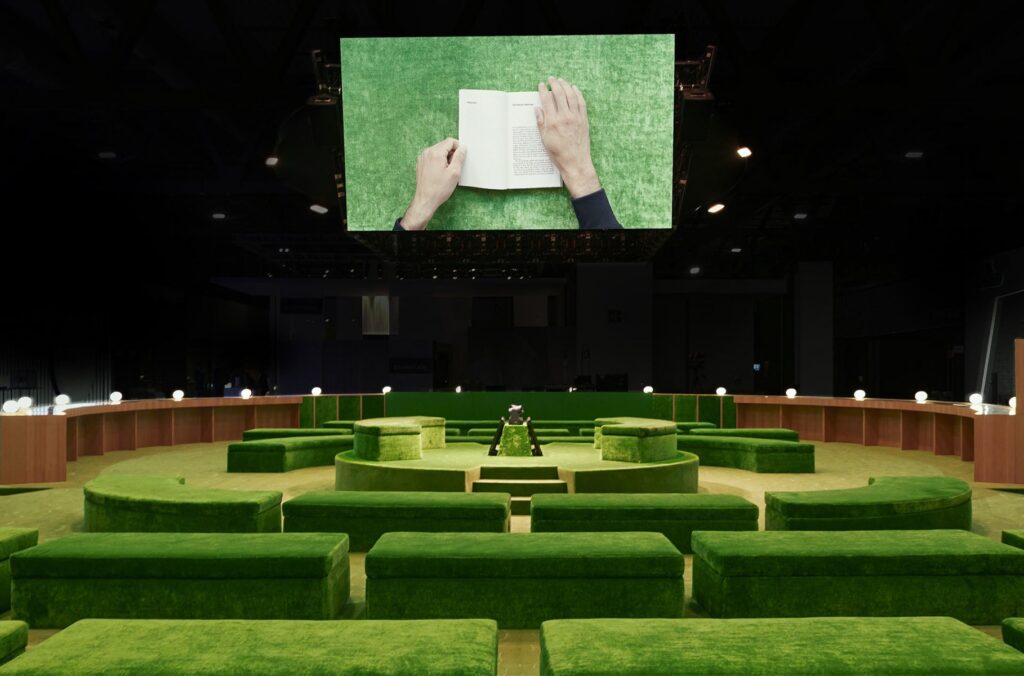
Curated space for talks and lectures with leading voices in design and architecture.
Reflections on AI in Design
In today’s design discourse, the topic of artificial intelligence is unavoidable. Andrea and Simone approach AI with measured caution: they are neither Luddites nor eager adopters rushing to use every new tool. So far, they have only experimented with AI in limited, pragmatic ways—using it to help write emails, edit text, or do minor photo touch-ups.
“Our position towards AI is quite complex,” they admit. The designers see many unknowns and several obvious pitfalls. There are “a lot of issues with AI… mostly related to privacy, [how] AI is trained, [and] energy consumption,” they warn, and they are “extremely critical” of how quickly the technology is advancing without proper regulation or global planning.
For now, Formafantasma uses AI carefully and keeps educating themselves on its implications. “We don’t know enough, so we are studying,” Andrea explains. They also acknowledge that they cannot ignore AI entirely—“if you live in the contemporary, you cannot skip it.” In short, they remain cautious and thoughtful about when and how to integrate AI into their work.
Advice for Brands
After years of partnering with various companies, Formafantasma has some pointed advice for brands and organizations looking to create meaningful design interventions. It starts with stepping back from the hype and asking a few fundamental questions:
- Start with “Why?” – Clearly understand why you are doing this in the first place.
- Ask “What do we add?” – Determine what new value or unique contribution your brand will bring to the world with this project or initiative.
- Know your core purpose – Figure out what your company is truly about at its core, and genuinely believe in that mission (instead of inventing a superficial story for marketing’s sake). If you don’t know what your brand stands for, pause and find out – “stay there until they find out.”
Formafantasma also stresses integrity and depth of purpose. Just as a doctor might personally indulge in an unhealthy habit but would never advise a patient to do something harmful, a company should hold itself to an even higher ethical standard in its public actions. As Simone emphasizes, “When you are a brand… in your life, you’re free to do whatever you want. When you work, you have a social responsibility that’s even higher.”
Only by having this clarity of purpose and ethical backbone can a brand hope to create an experience that truly stands out and resonates. The duo warns against falling into a “produce, produce, produce” mentality. Instead, they invite brands to go deeper into what really matters. Design has the power to touch people – but only if it’s driven by something real and original at its core.