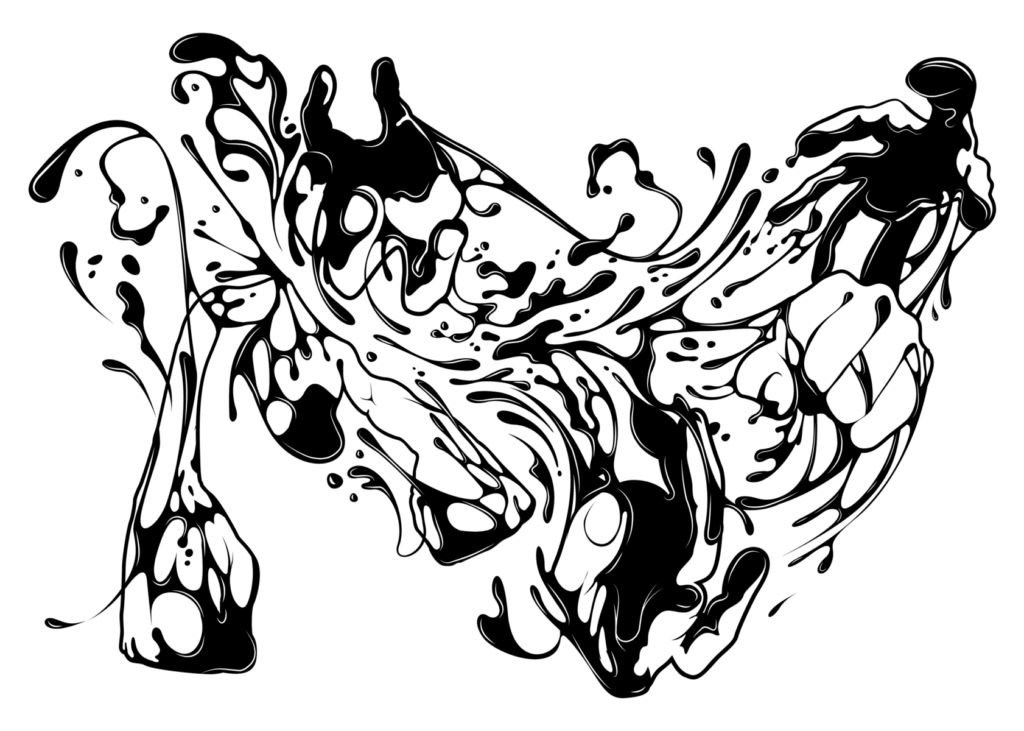
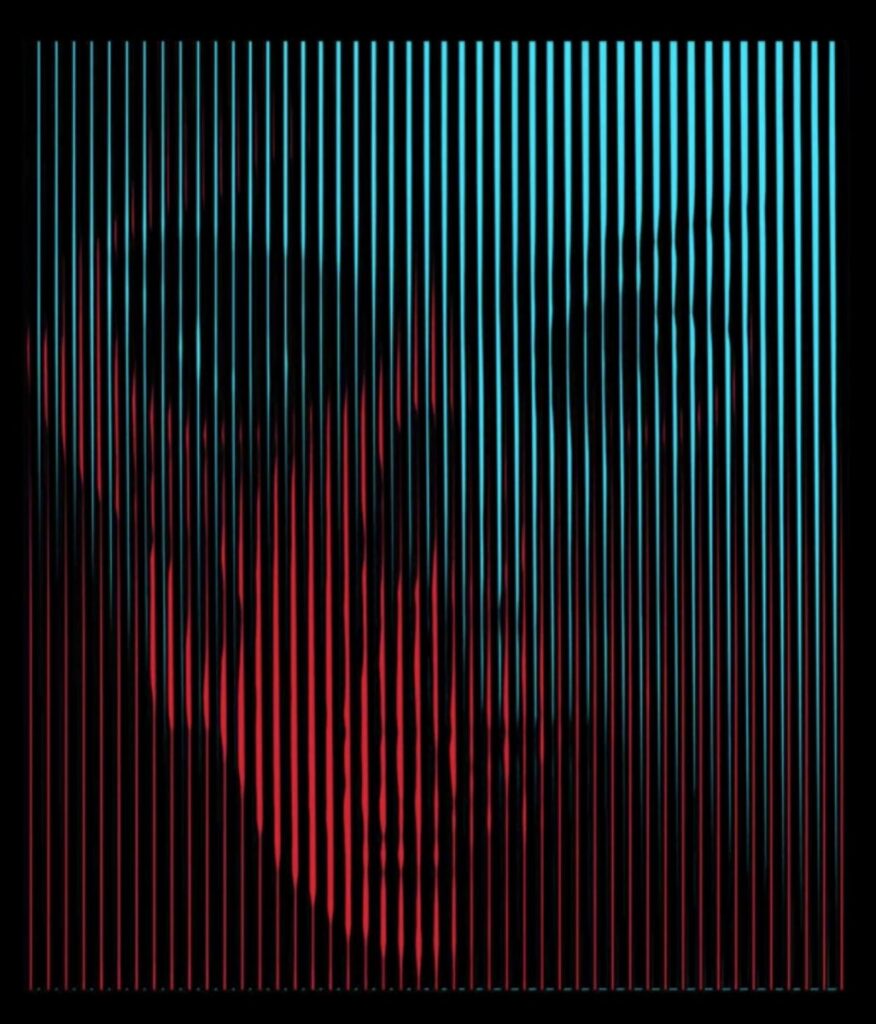
Alex Trochut is a renowned graphic designer and illustrator originally from Barcelona and now part of the Apple design team in California. His client list includes Nike, Google, and The New York Times, among others—and we’re proud to feature his work in our Style Cards Vol. 2.!
In this talk, Alex shares a deeply reflective look at what it means to stay true to your craft in an ever-changing, fast-paced world—diving into the heart of the creative process, the evolving role of AI, and a professional shift from nearly two decades of freelancing to working within the collaborative ecosystem of Apple’s design team.
Listen to this Episode on Bloomerangas Podcast 🎙️
Subscribe to the Bloomerangas Podcast



Start by Getting Lost
From his early days sketching in the margins of schoolbooks, Alex Trochut realized that planning or talking too much about a project upfront didn’t work for him—he prefers to get hands-on with the making, letting the process guide him. This approach opened up new horizons for him, created space for new ideas, and brought an element of surprise to his work.
“I need to make in order to understand what I’m going to do,” he says.
“When I already know how it ends, the process stops being exciting.”
When asked how he approaches a client’s brief, Alex explains that he thrives when things aren’t too defined. Open-ended projects give him room to explore.
“Even if you want to finish fast, there’s something that takes me away from that,” he says. I always want to complicate myself—like, okay, but what if we do it differently?”
At the core of his creative process is a drive to experiment and play. For Alex Trochut, creativity isn’t about starting with a clear concept—it’s about getting lost, asking “what if?”, and deliberately disrupting his own routines to see what comes out of it. His work often invites the viewer to do the same: pause, decode, and find something unexpected.
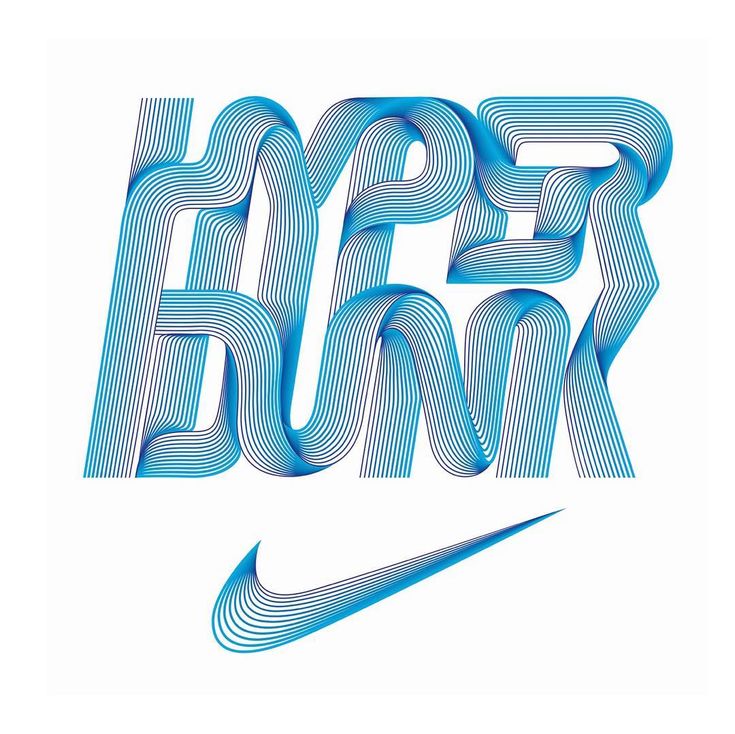
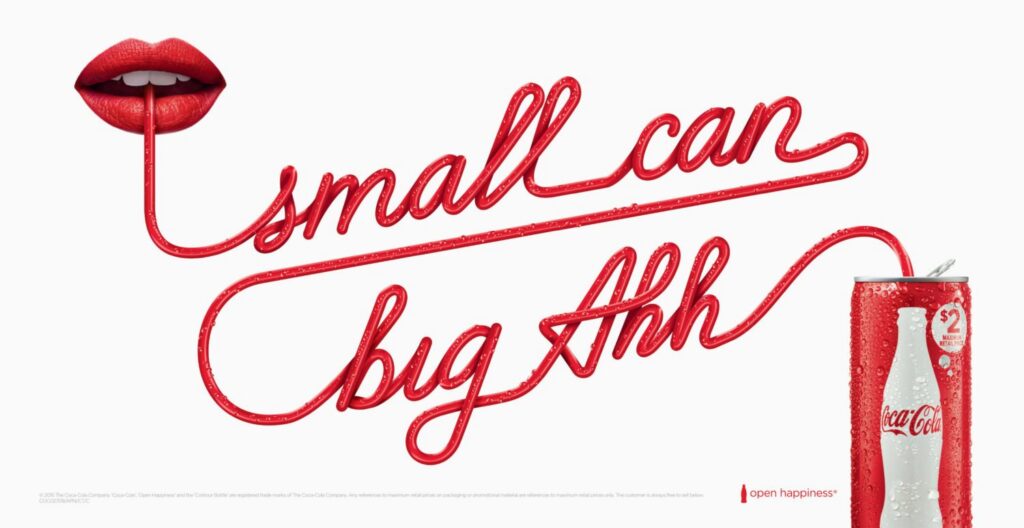

While his work for clients like Nike, Google, and The New York Times is widely recognized, Trochut sees personal work as the purest expression of a creative voice—and often the most compelling. He mentions that companies like Apple often discover talent through self-initiated projects that demonstrate vision, values, and originality.
“The purest expression of a creative is often in their personal work. That’s where people see who you really are.”
AI & Creativity: A Complicated Relationship
Over the years, Trochut has expanded his toolkit—from vector art and Photoshop to 3D modeling, VR sculpting, and experimental lettering. And while he remains curious about emerging technologies like AI, his relationship with them is somewhat complicated. He likes that AI let you get from point A to point B without any distractions, but when it comes to creative process he says that for him it’s contrary to the self-discovering process of creativity.
“I don’t want to outsource my imagination. That’s where the discovery happens.”
Alex uses AI occasionally for mood-boarding or gathering references—but he avoids relying on it for final creative output. He sees himself as a crafter and enjoys the physical act of making things from scratch, even if it means being slower and messier.
His cautious stance toward emerging tech also surfaced during the NFT boom. He was initially drawn to the potential of digital art living in screen-based environments and hoped NFTs would create new spaces for self-expression outside of commercial design. But as the space shifted toward mass production and productization, it lost its appeal for him.
“I started to feel like I was working for a new kind of industry that didn’t really feel like mine.”


Still, Alex is optimistic that the rise of generative tools like AI will push creative communities to seek out more raw, human forms of expression—styles that defy the polished aesthetic typically produced by machines.
“Maybe this will drive the next generation to develop styles that feel more grotesquely human—something more contrarian to the clean, polished results AI is good at.”
One artist he sees as pushing boundaries in that space is Jonathan Zawada, who blends code, sculpture, video, and digital tools to create unique, expressive work. Zawada’s practice—ranging from AI to hand-crafted media—reflects the kind of fearless experimentation Trochut admires and offers a glimpse into where the next wave of creative innovation may emerge.
Working Solo vs. Working in a Team
After almost twenty years of freelancing, Trochut’s move to Apple marked a significant shift—from working solo to becoming part of a large, collaborative design ecosystem. Freelancing gave him freedom, but it also meant carrying every responsibility alone, often in isolation. Working within a team, he says, is like playing on a sports team: you create this game where you can pass the ball without even looking—though that level of connection takes time to build. Still, it’s deeply rewarding.
“In a team, your strengths rise to the surface,” he explains.
“You can focus on what you do best and let others do the same. That’s powerful.”
This shift highlights a truth many creatives eventually face: independence is valuable, but it can also be limiting. Real growth often happens in community—when your work is seen, your ideas are challenged, and your role is refined alongside others.
Yet whether working solo or with a team, Alex believes the creative path is ultimately one of self-discovery. It’s a lifelong process of finding tools that resonate, an environment where you can nourish, and connect not just to your collaborators, but to oneself too.
Alex Trochut reminds us that creativity blooms when we let go of a predetermined mindset, stay curious, and welcome the unknown—with all its discomfort and messiness. His wish for the next generation of creators isn’t to follow his path—or anyone else’s—but to find their own, with playfulness, patience, and a commitment to continually surprising themselves along the way.