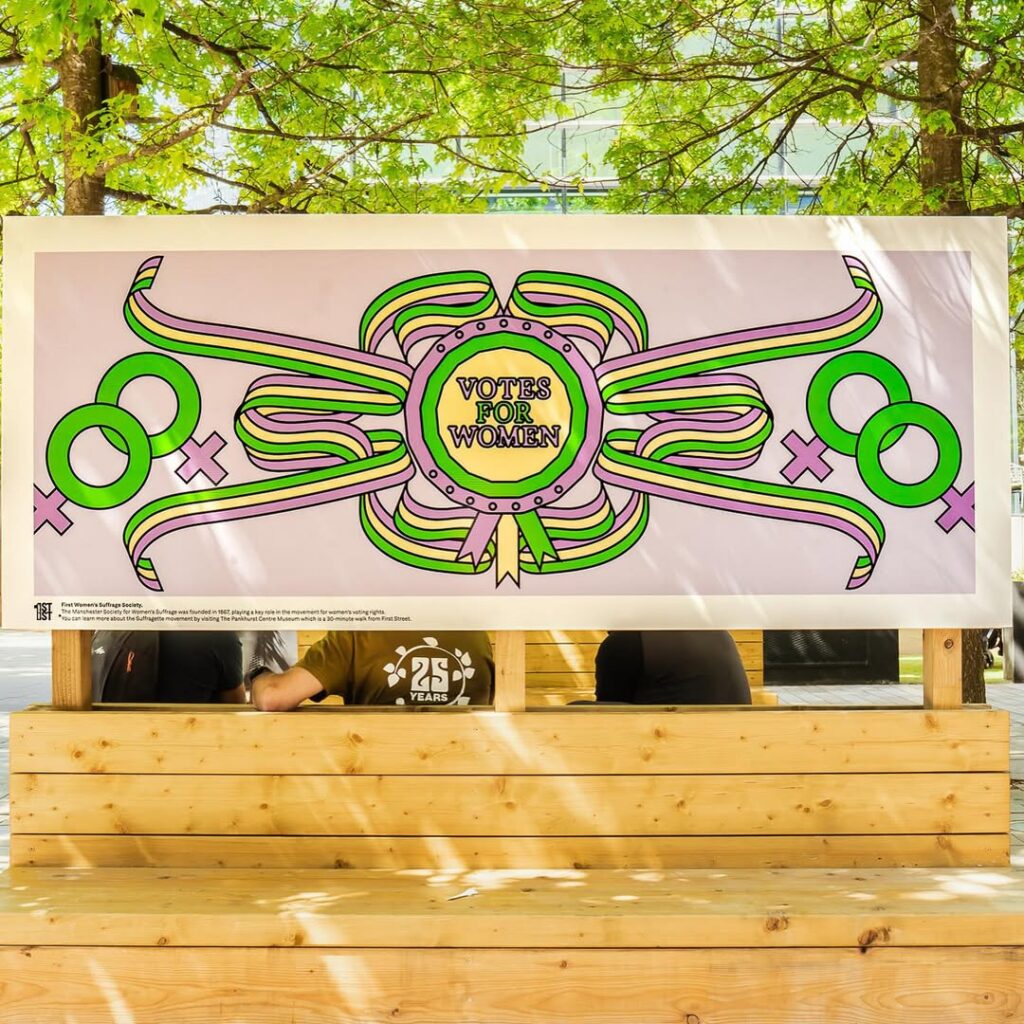
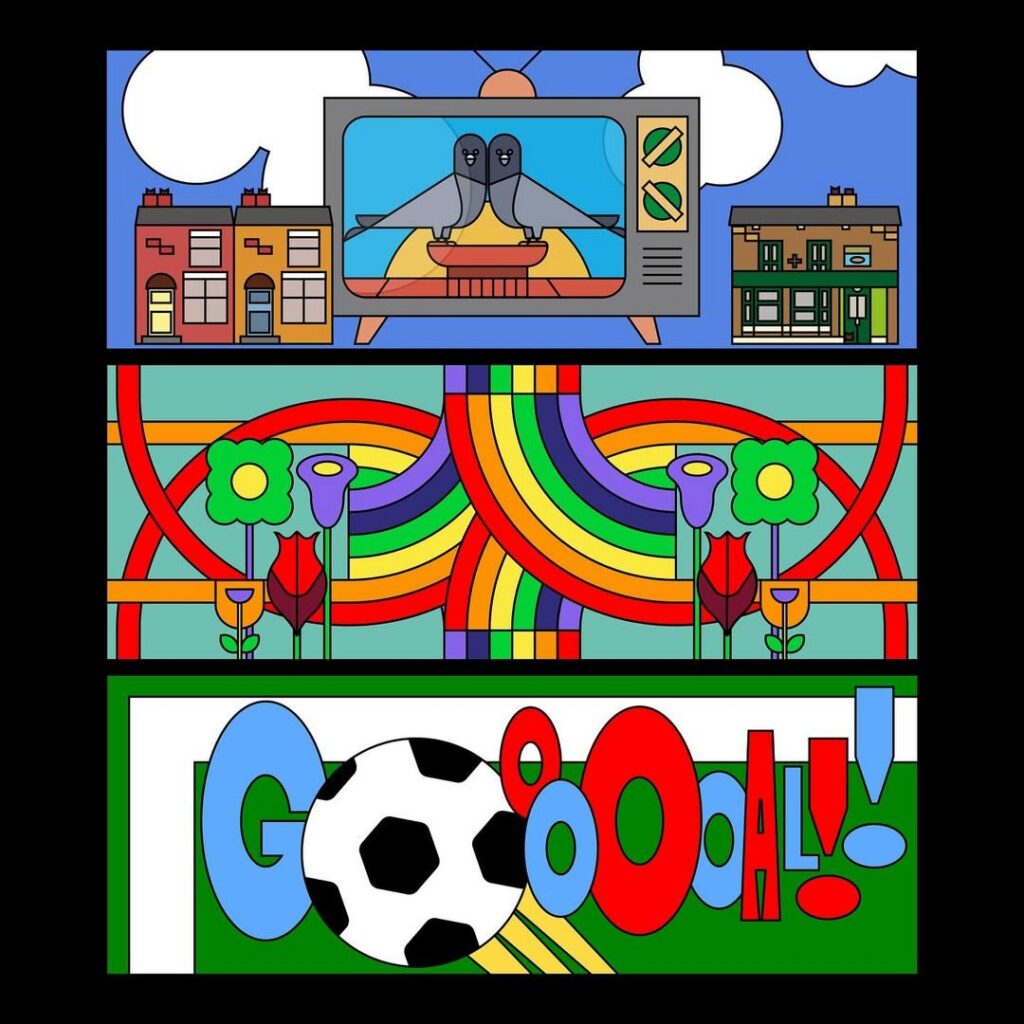
David Sedgwick is the founder of Studio DBD, an independent design studio based in Manchester. For over two decades, he has shaped the city’s creative identity through branding projects, exhibitions, and collaborations that celebrate people as much as design itself.
In this talk, David Sedgwick explores how human connection sits at the heart of both his work and life, emphasizing the importance of slowing down, staying close to people, and finding balance between creativity and everyday living. He opens up about curating exhibitions between Manchester and Barcelona, the lessons that shaped him, and the need to stay grounded amid the rapidly shifting landscape of design in the age of technology.
Building Bridges Through Design
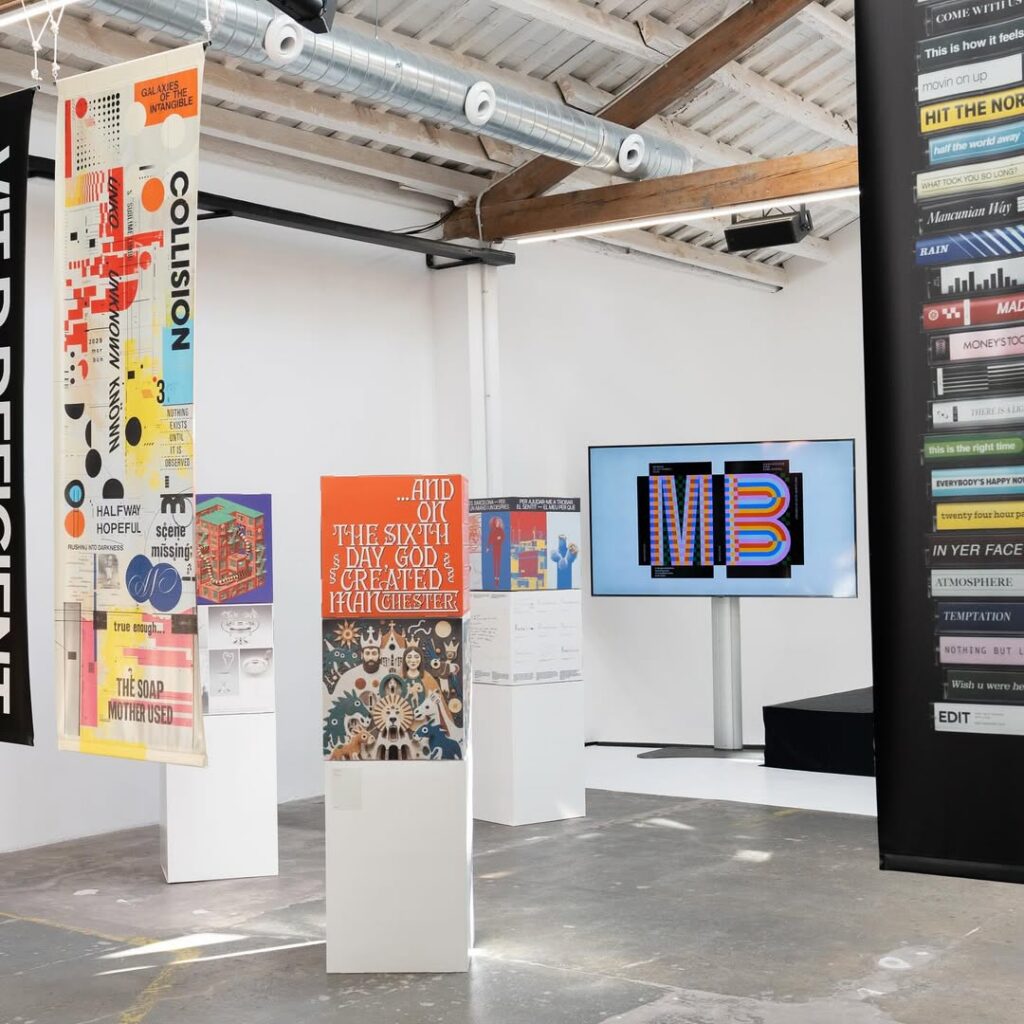
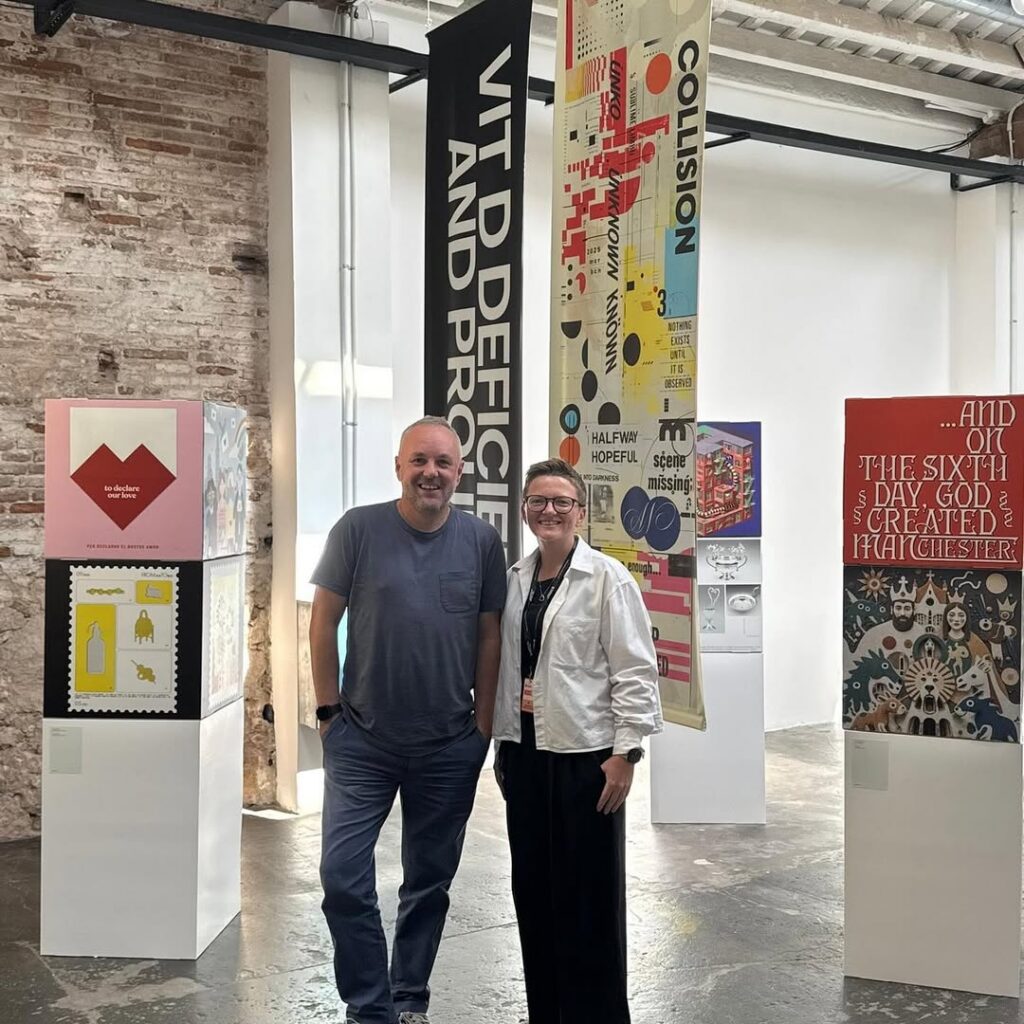
Most recently, at La Mercè Festival 2025 in Barcelona, Sedgwick curated a cross-city exhibition for Manchester’s guest-city partnership. He paired emerging designers from Manchester and Barcelona on large-format cubes to create a visual “love letter to their city,” shown in a daylight photography studio—an energetic, one-day showcase that drew hundreds.
Crucially, this chapter wasn’t part of a master plan. About a year earlier he’d received an email from the Manchester council—“your name keeps coming up on Google whenever we type in Barcelona and Manchester”—inviting him to contribute to La Mercè. “I may as well give it one more, one more go,” he decided.
That invitation rests on a longer story. Sedgwick first fell for Barcelona on a college art trip, noticing kinships with Manchester—industrial heritage, working-class culture, and the energy of a non-capital city carving its own identity. In 2013 he launched BCNMCR after a spontaneous promise to exhibit Barcelona studios in Manchester, flying over teams like Lo Siento, Hey Studio, Mucho, and Mayúscula, and keeping tickets affordable to make the event accessible.
The following year he scaled up with sponsorship, and in 2023 marked the 10-year anniversary with a limited book of 60 Barcelona creatives—350 copies featuring a Senyera-inspired tally-mark cover—before thinking the story had reached its end. Then came the council’s email, and the bridge reopened. Although the project revived his long-standing connection between the two cities, Sedgwick admitted he’s unsure whether to continue the Barcelona–Manchester series further.
For now, he feels he’s “exhausted the connection” but doesn’t rule out future collaborations that link Manchester with other creative cities, keeping the spirit of exchange alive.
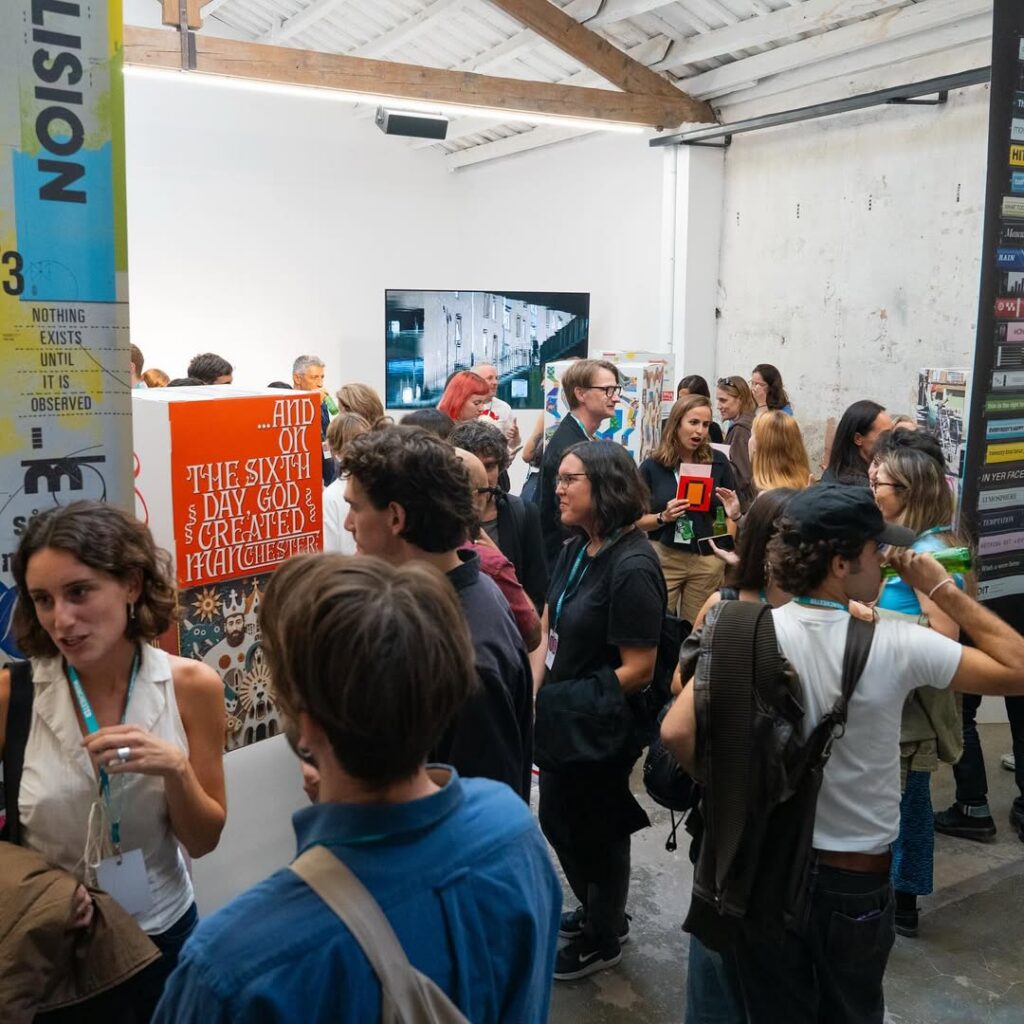
Manchester’s Creative Pulse
Having studied and built his practice in Manchester since the late 1990s, Sedgwick has witnessed the city’s creative landscape expand dramatically. “When I studied here, the idea was that you had to go down to London to make a career. But I stayed in Manchester — and I’ve seen it grow so much over the last 25 years,” he says.
He describes how the city has evolved from a tight-knit cluster of independent studios into a thriving creative ecosystem that now attracts national and international attention. Sedgwick sees this change as a reflection of Manchester’s cultural resilience and its ability to reinvent itself, much like its history of music and art.
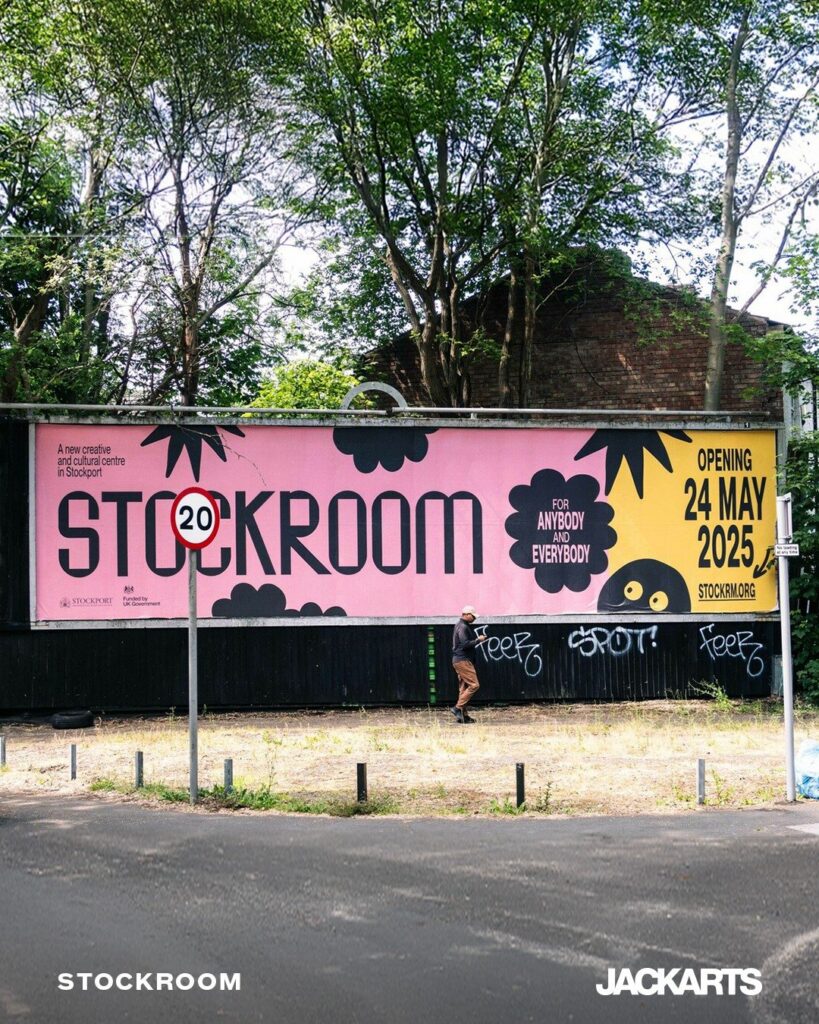
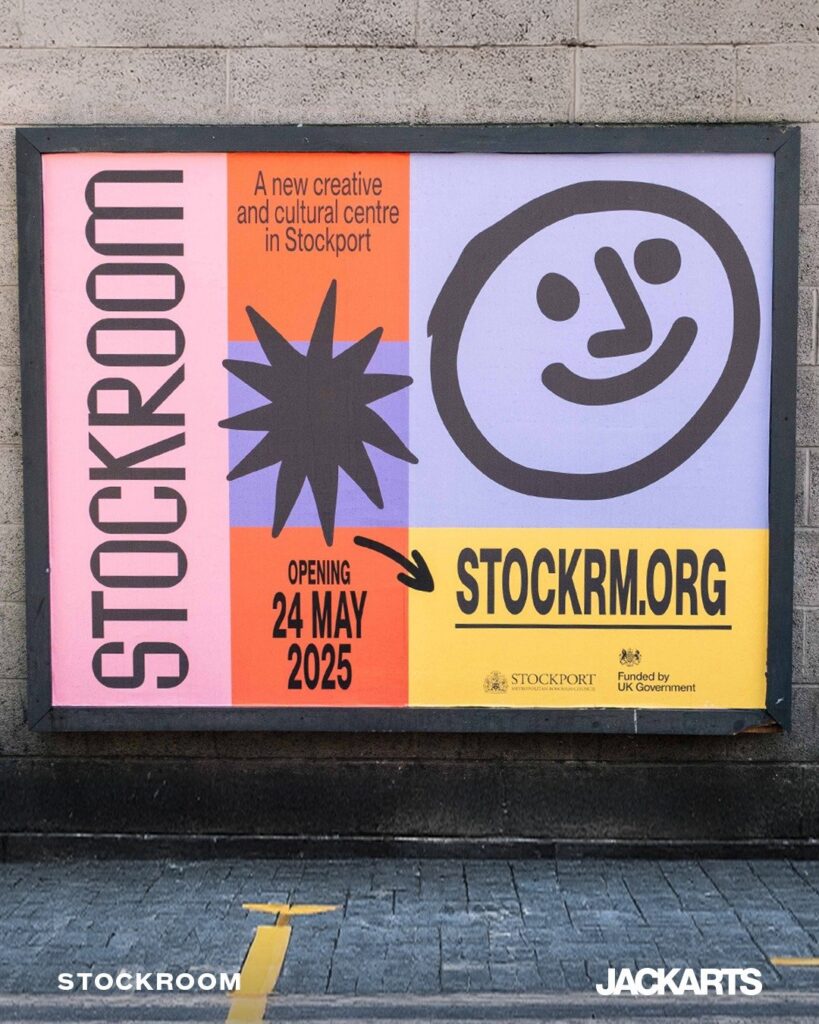
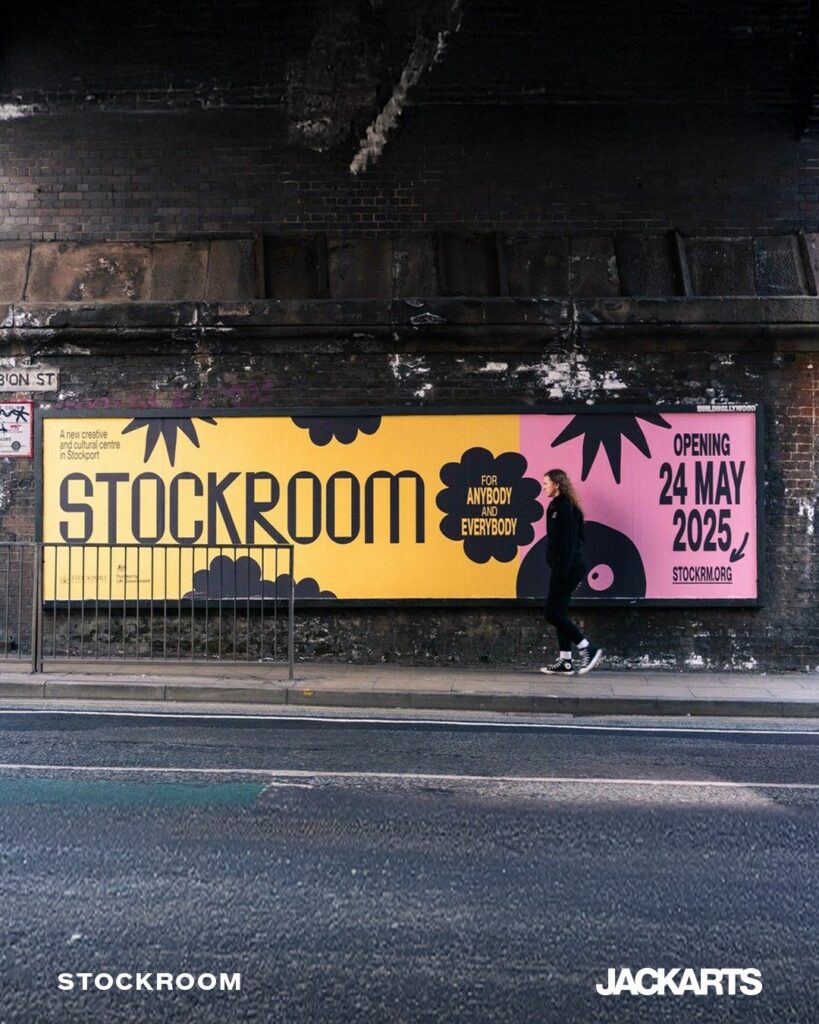
He attributes this vibrancy not just to agencies or clients, but to its people. “There’s a real sense of community here,” he notes. “Events are always full. People are passionate about design.” For him, that sense of togetherness defines Manchester’s creative spirit — where collaboration happens naturally, whether through shared events, spontaneous conversations, or friendships formed in its compact city center. Manchester’s size, he says, allows “people to actually show up,” creating a closeness that fuels genuine creative exchange and lasting connection.
On the Future of the Designer
In an age defined by automation and AI, Sedgwick believes the designer’s future still lies in what machines can’t replicate: empathy, intuition, and human connection. “Technology can be great,” he reflects, “but we should never replace human connection. The best work comes from collaboration — real conversations, shared mistakes, the enjoyable part of the process.”
He worries that the industry’s obsession with speed and efficiency risks stripping design of its emotional depth. “Some design now is just done too quickly,” he says. “We’re losing the journey — the experimentation, the soul, the passion. That’s where good design happens.”
For Sedgwick, technology should remain a tool, not a substitute for creativity. True design still depends on conversation, trust, and shared curiosity — qualities no algorithm can replicate.
Collaboration as a Creative Ethos
At first, collaboration in his designs didn’t play the central role it does today. This shift didn’t happen overnight — it grew from years of experience, trial, and reflection. Sedgwick recalls where he started: a one-man approach to design shaped by youthful determination and a desire for control. Early in his career, he admits he tried to handle everything himself — learning software, crafting every detail, and believing that good design came from individual control. Over time, through projects and lessons learned, he realized that the most fulfilling and effective work happens when others are part of the process.
Though he runs a small independent studio, Sedgwick emphasizes co-creation — with both collaborators and clients. Over the years, he has learned to invite other voices into his process: photographers, illustrators, web developers, and most importantly, clients themselves. He now regularly brings in freelancers and specialists, trusting their skills and perspectives to strengthen the outcome.
He also speaks about how his relationship with clients has shifted from a one-way delivery model to an ongoing dialogue. He once thought clients “didn’t understand design,” but now sees them as partners with valuable insight. By involving them earlier, showing drafts, and sharing small ideas along the way, he finds projects flow more smoothly and produce better results. “If you bring someone along on the journey, then you get better work out of it,” he says.
This mindset extends beyond creative teams — it’s about cultivating empathy, patience, and respect. Collaboration, for Sedgwick, isn’t just a working method; it’s a philosophy that reminds him design is a shared experience. What once felt like a need to control every detail has become a practice of letting go — trusting relationships and valuing dialogue as much as design itself.
Redefining Success
Despite Studio DBD’s recognition, Sedgwick defines success in grounded, human terms. “I started to define success by longevity,” he says. “It’s not about awards or having twenty staff. It’s about making a living doing what you love and still feeling lucky to do it.” For him, success isn’t measured by growth charts or global fame but by consistency — showing up every day, enjoying the work, and maintaining integrity over time.
That perspective connects directly to how he views social media and the creative industry’s tendency toward constant comparison. Sedgwick values honesty over performance and prefers to show his real experience rather than a curated highlight reel. He speaks candidly about the pressure to appear successful online and how it distorts the reality of creative work. “I want to hear about the struggles — the projects that didn’t get paid for, the burnout, the mistakes,” he admits.
“We’re human beings, not just success stories.”
He also emphasizes the emotional side of success — the balance between creative fulfillment and personal well-being. For Sedgwick, the true reward lies in enjoying the process, sustaining meaningful relationships, and continuing to create with authenticity. His grounded philosophy invites others to see success not as a finish line but as a continuous practice of gratitude, honesty, and human connection.
Biggest Regret
When asked about his biggest regret, Sedgwick recalls turning down a project from Nike early in his career — out of fear. “I panicked. I thought, my work isn’t good enough,” he confesses. “Now I’d say yes and figure it out afterwards.”
It’s a lesson he shares openly: take the leap, trust your ability, and collaborate your way through the unknown.
Looking ahead, Sedgwick’s ambitions are simple but meaningful — more exhibitions that connect cities, more teaching, and more balance. “I still want to work hard and make great work,” he says, “but I also want time for my family, my friends, and for living life.”
“Design needs interaction to work well. It’s not just about visuals — it’s about people.”
At its heart, Sedgwick’s practice is an ode to connection — between people, cities, and creative disciplines. Whether he’s designing a brand, curating an exhibition, or mentoring students, his approach centers on authenticity and community.
Check out David Sedgwick’s work: https://www.instagram.com/studiodbd/