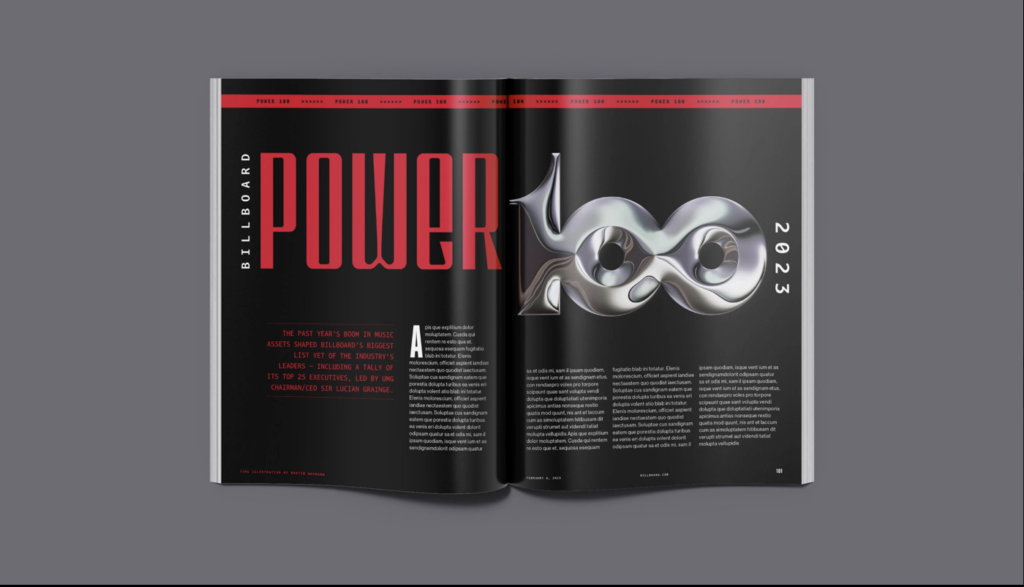
Martin Naumann is a multidisciplinary digital artist from Germany. Known for his vibrant, futuristic, and experimental aesthetic, Martin has built a distinctive style that blends science, nature, and speculative ideas. His work has attracted clients like Adobe, Universal Music, and even Star Wars, and one of his pieces is featured in Style Cards Vol. 2.
In this talk, Martin opens up about his path into digital art—how curiosity, play, and a fascination with nature and science shaped his distinctive style. He takes us inside his creative process, where personal projects and client collaborations constantly feed each other. Along the way, he shares his perspective on the evolving digital art scene in Germany, and what it means to stay true as an artist today.
Let’s dive in!
From Photoshop Experiments to Procedural Art
Martin’s creative journey began over a decade ago, experimenting with Photoshop while immersed in the world of electronic music. His discovery of FilterForge—a plugin that introduced him to node-based coding—was a turning point. It opened the door to procedural and generative design, where he could use parameters and randomizers to automate and expand his creative process.
What followed was the development of his unique method: combining natural inspiration with digital precision. Martin describes his process as a mix of fascination, experimentation, and happy accidents—always allowing space for the unexpected.
Inspiration from Nature, Shaped by Digital Tools
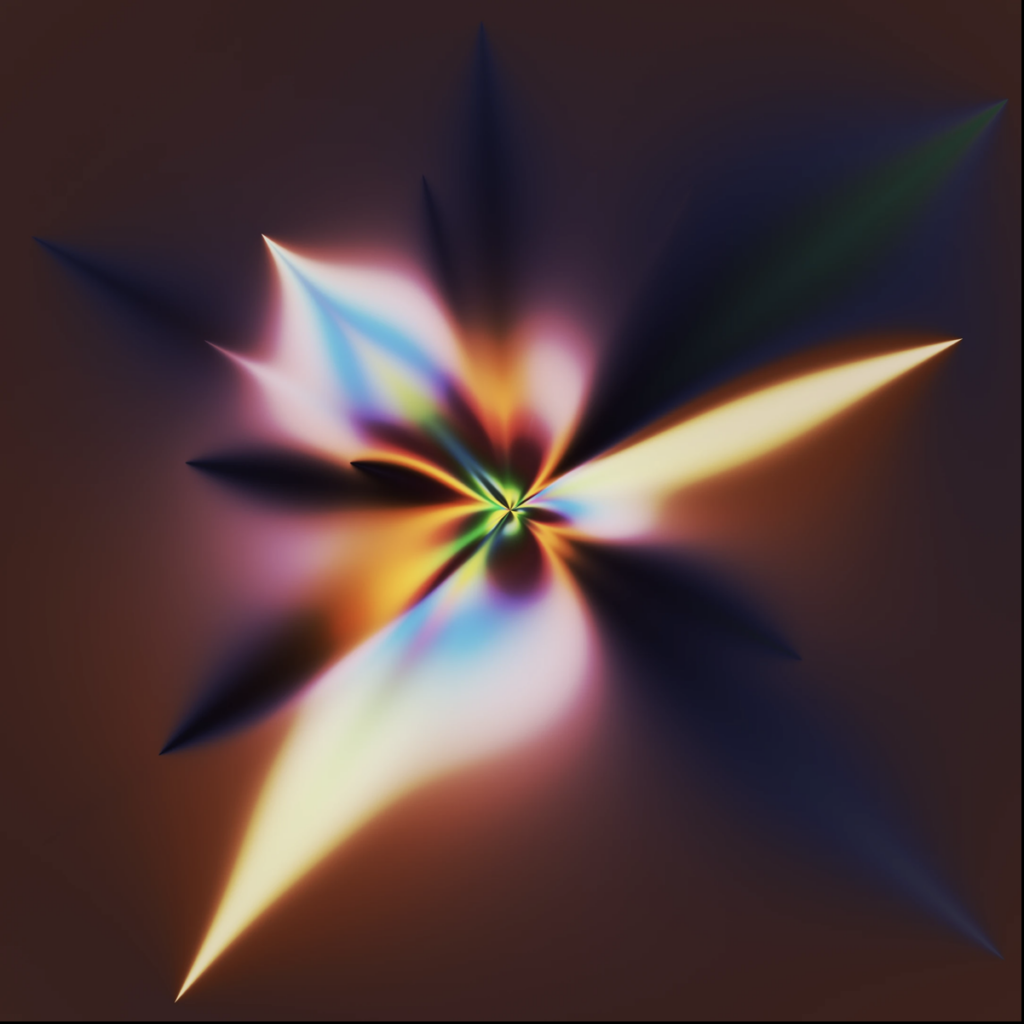
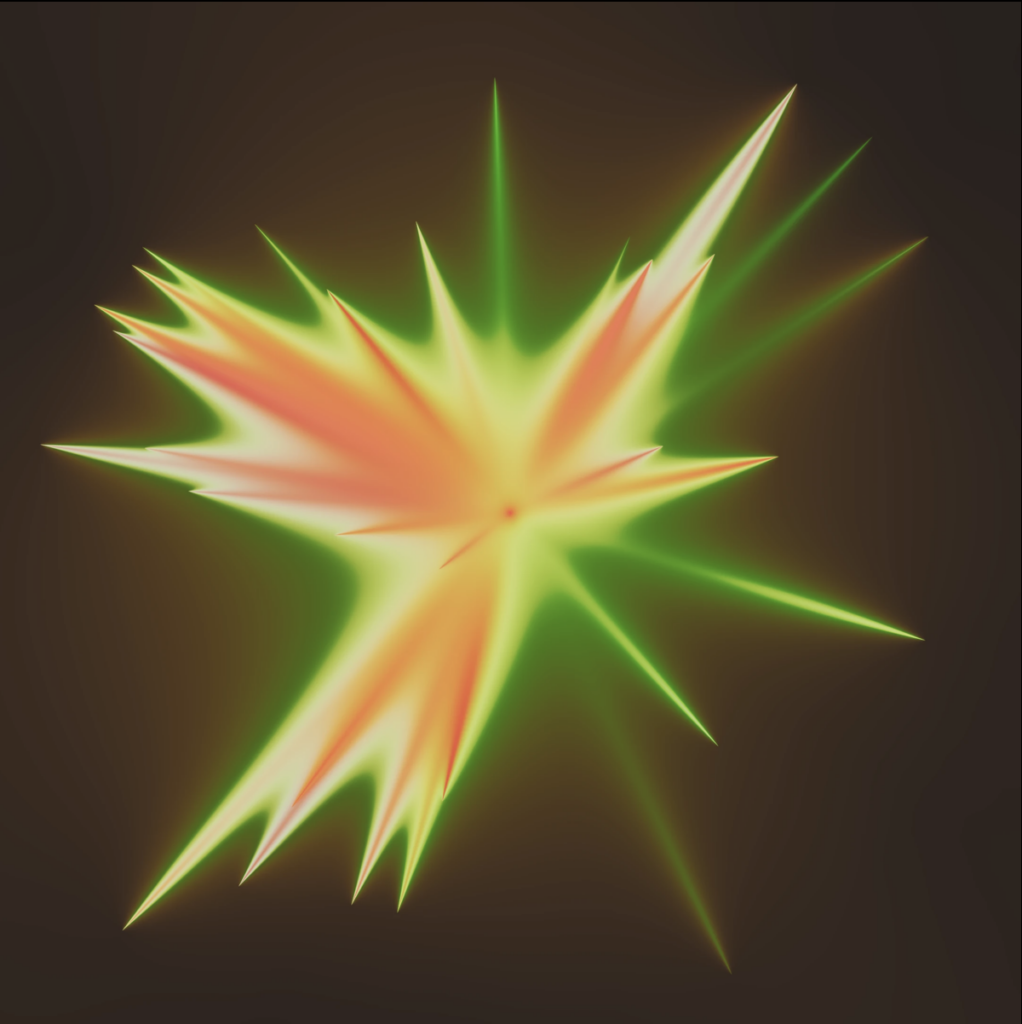
Although his work often feels futuristic, Martin emphasizes that its core inspiration comes from nature. Whether physics, chemistry, biology, or natural phenomena, he translates these influences into visuals that feel hyper-clean, ambient, and universal. The futuristic touch, he explains, comes from the digital tools he uses, which add a sense of smoothness and speculative possibility.
“I take inspiration from everything if you just look close enough,” he says, noting that curiosity and observation fuel his creativity.”
The Creative Flow and the Role of Play
For Martin, creativity is rooted in play. His process thrives on flow—letting go of rigid expectations and seeing where experiments lead. He admits that much of his work comes from “happy accidents” and from simply having fun with ideas.
When asked what creativity means to him, Martin describes it as “having fun with playing with ideas, even if they don’t have a sense or meaning yet.” He believes the act of exploring, whether in design, music, or writing, keeps his creative muscles alive.
Color as a Signature Element
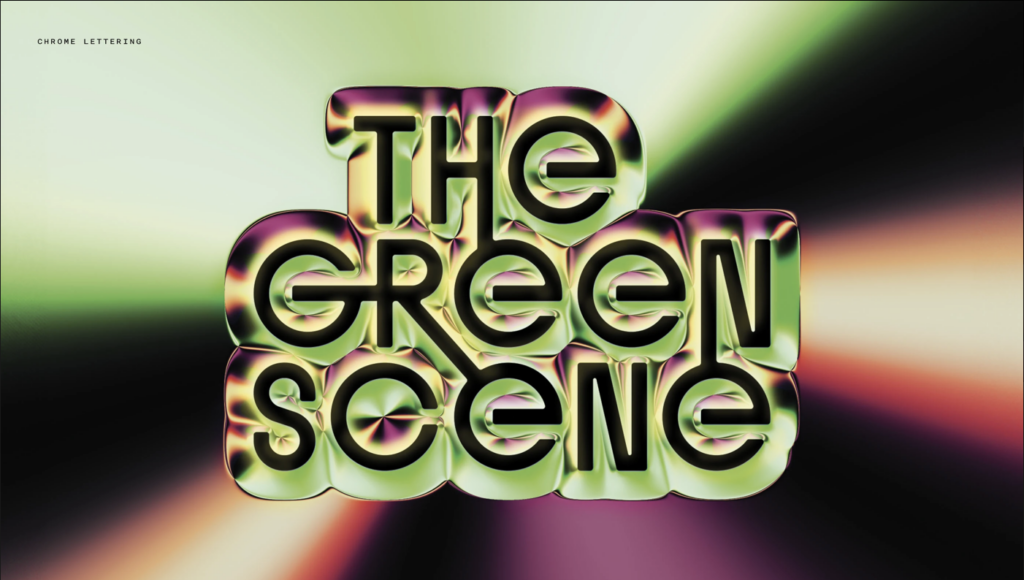
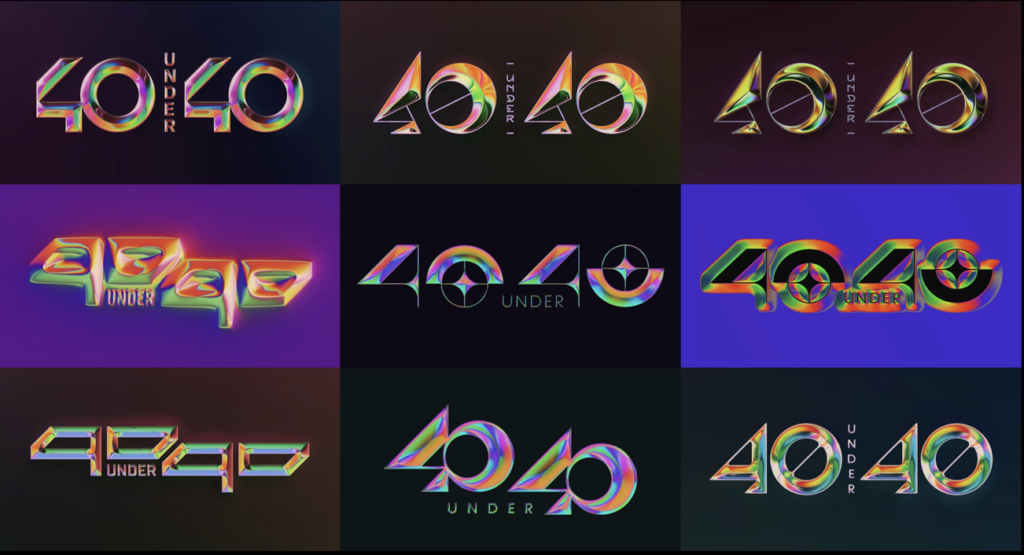
One of Martin’s most recognizable features is his use of color. Surprisingly, he doesn’t plan palettes in advance. Instead, his colors often emerge from random effects—noise, grain, or digital glitches that he zooms in on and rework. He then cycles through thousands of variations until one resonates. This experimental approach gives his work its signature vibrancy, which many clients specifically seek him out for.
Balancing Personal Projects and Client Work
Martin’s career shifted when he began publishing more of his personal work online. As those projects gained recognition, clients started approaching him not for problem-solving design, but for his distinctive artistic style. This allowed him to move from a design mindset to an artist’s mindset—creating what he loves and licensing it to brands that align.
Still, the balance remains dynamic. Some clients give him full freedom, while others bring clear briefs. Either way, he sees portfolio curation as a powerful filter: “The things you put onto your portfolio will be the things people ask for.”
Views on AI and Generative Art
While many artists are experimenting heavily with AI, Martin keeps it on the periphery of his practice. He uses AI tools like ChatGPT for communication and workflow efficiency but resists letting them shape his artistic style. For him, generative art is much broader than AI—it’s about scalability, variation, and the endless possibilities of procedural design.
“I couldn’t imagine a limit for generative art,” he notes. “You could put every art into a generative context.”
Lessons for Emerging Artists
Asked what advice he’d give to young digital artists, Martin highlights three key pointers:
- Be Visible – Share your work online without fear. The worst feedback you’ll get is a bad comment, and the best is connection and opportunity.
- Curate Intentionally – Show the type of work you want to do, not just everything you can do.
- Stay Inspired Broadly – Look beyond one niche or creator. Explore across mediums to develop intuition and avoid unintentional imitation.
Success and Dreams Ahead
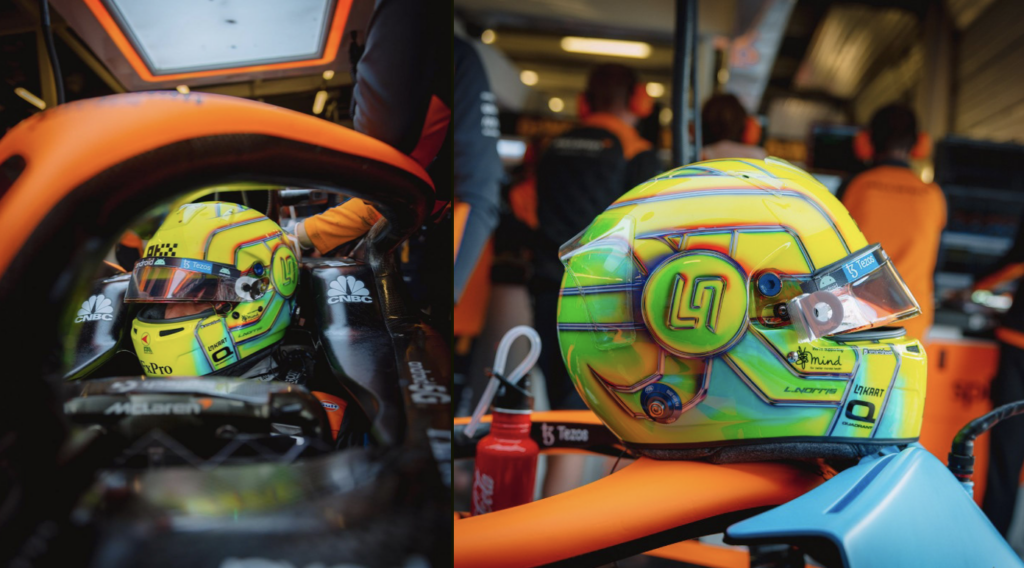
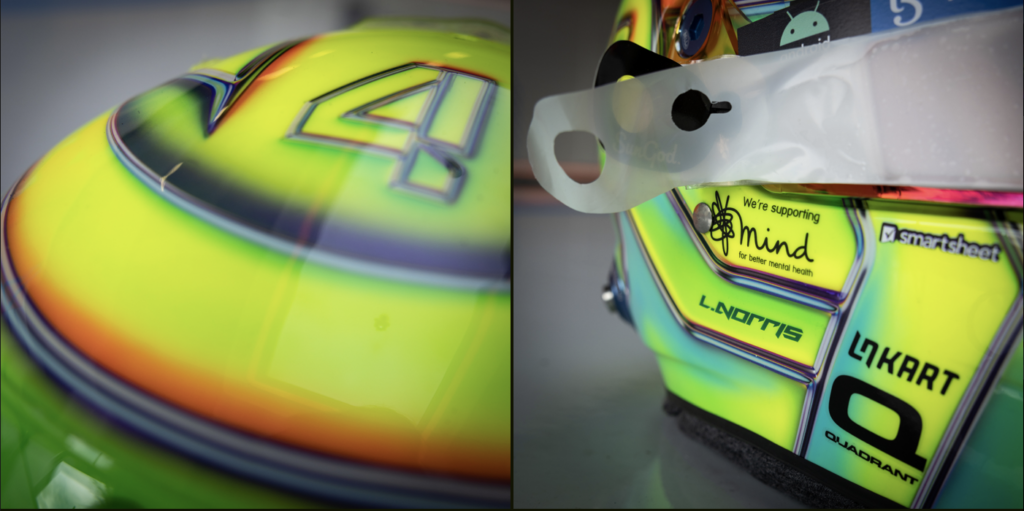
For Martin, success is simple: freedom. “To be the boss of my own time,” he says, is more valuable than a high-paying corporate job. Looking ahead, his dream is to create a large-scale exhibition that blends his static, motion, and interactive works into an immersive experience. Having already achieved milestones like creating a Formula One helmet design for Lando Norris, he continues to see each year as a step forward.