Ricardo V. is the founder of The Branding People, a design studio with a global reach, with offices in Mexico, Spain, and Saudi Arabia.
In this talk, Ricardo shares practical tips and hard-earned lessons from over a decade of running a design studio. From refining client collaboration and leading complex rebranding projects to aligning cultural nuance with creative direction and business strategy, Ricardo offers a grounded perspective on what it really takes to grow a design studio with global ambition.
Let’s dive in!
Listen to this Episode on Bloomerangas Podcast 🎙️
Subscribe to the Bloomerangas Podcast


Culture as a Catalyst
When asked about the influence of Mexico on the work of Branding People, Ricardo pointed out that Mexican design serves as a bridge between pre-Hispanic civilizations and European colonial influence, between the Latin soul and North American commerce. But, clients don’t hire the Branding People for a fixed style.
“They hire us for our ability to adapt and express ideas clearly. While many studios commit to a single aesthetic (e.g., minimalism, maximalism, or brutalism), Branding People embraces versatility. They let the idea lead the design, not the other way around.” – says Ricardo.
This cultural fluency has led Ricardo’s team to work with brands internationally.
“At the end of the day, design is just a vessel. The real job is to communicate something clearly and eloquently.”



Building Processes
Coming from a marketing background, Ricardo approaches branding with a clear strategic lens and structured thinking — and it shows in how his studio works.
At Branding People, every project follows a four-stage process — a framework designed to ensure both creative excellence and business alignment:
- Research & Analysis – The team thoroughly investigates the project’s context, uncovering its design needs, business goals, and market landscape. This phase ensures that every decision moving forward is grounded in insight.
- Strategy & Concept – Based on the research, a cohesive brand strategy is developed. This includes powerful storytelling and a strong visual concept, forming the backbone of a bespoke brand narrative.
- Visual Design – A multidisciplinary team collaborates to craft a visual identity. Every graphic element is intentional, designed to clearly communicate the brand’s message and personality.
- Design Application – The identity system is implemented across selected brand applications, ensuring consistency and relevance.
Importantly, Ricardo challenges a common misconception — that branding equals logo.
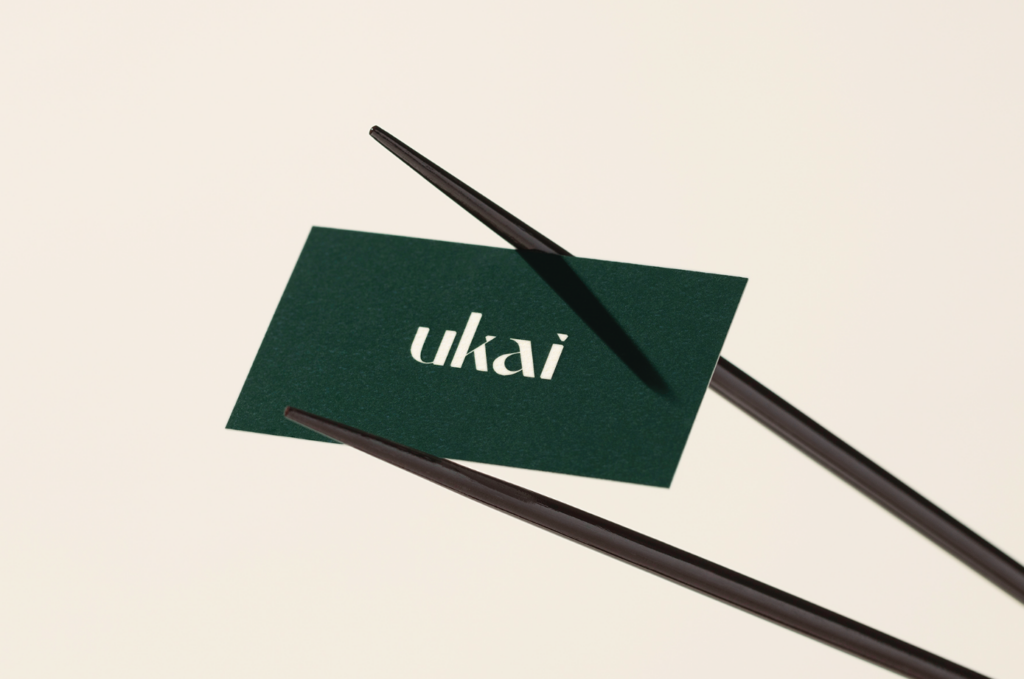
“We try to avoid logocentrism. A logo is just one piece of a much bigger system.”
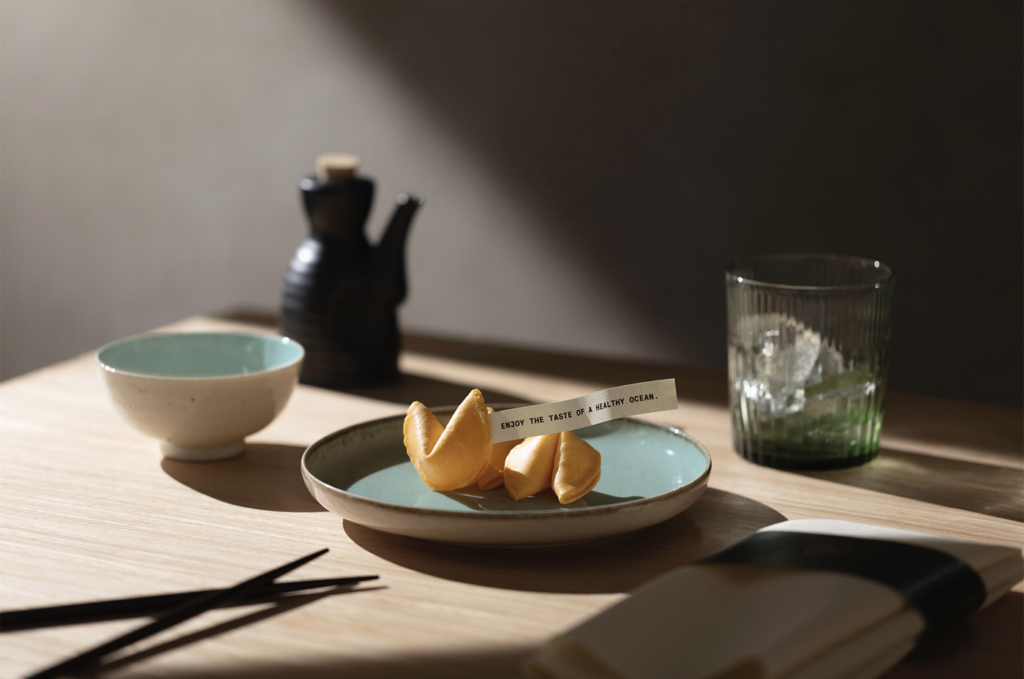
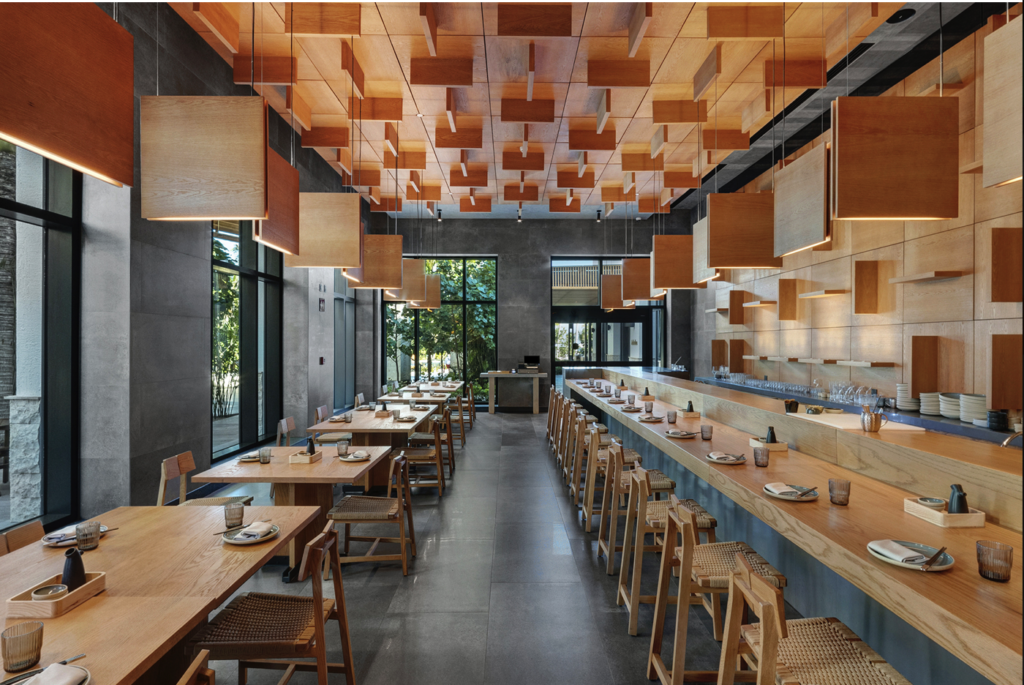
Instead of delivering a standalone logo, the studio builds design systems. This approach shifts the focus from aesthetics to impact: Does the brand work in real life? Does it connect with people?
By aligning creativity with process, Branding People brings structure— transforming abstract ideas into living, breathing brands.
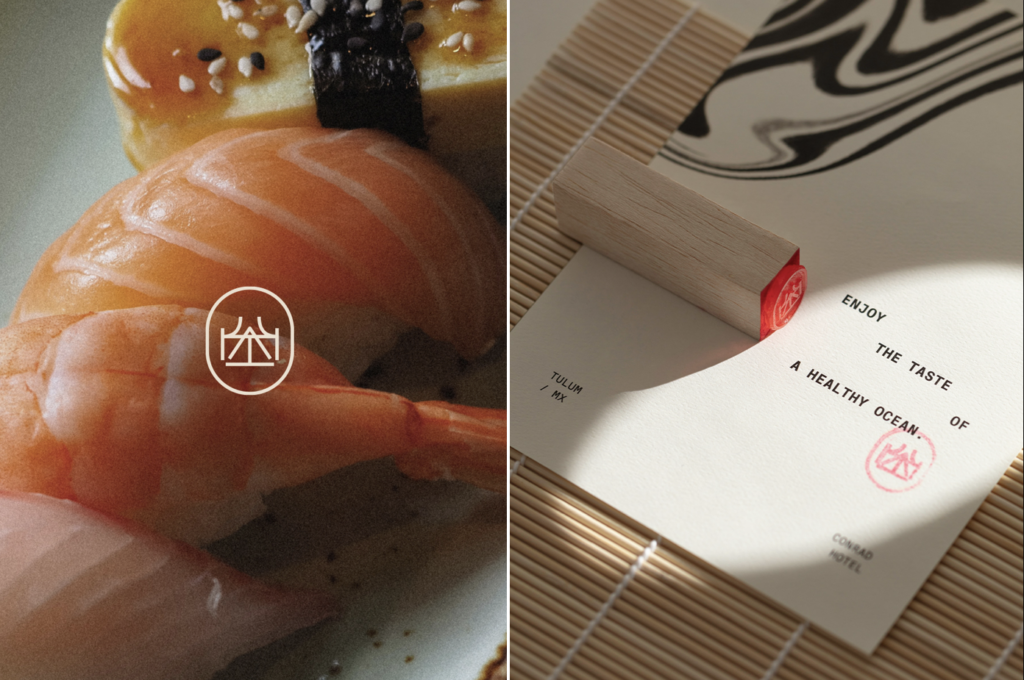
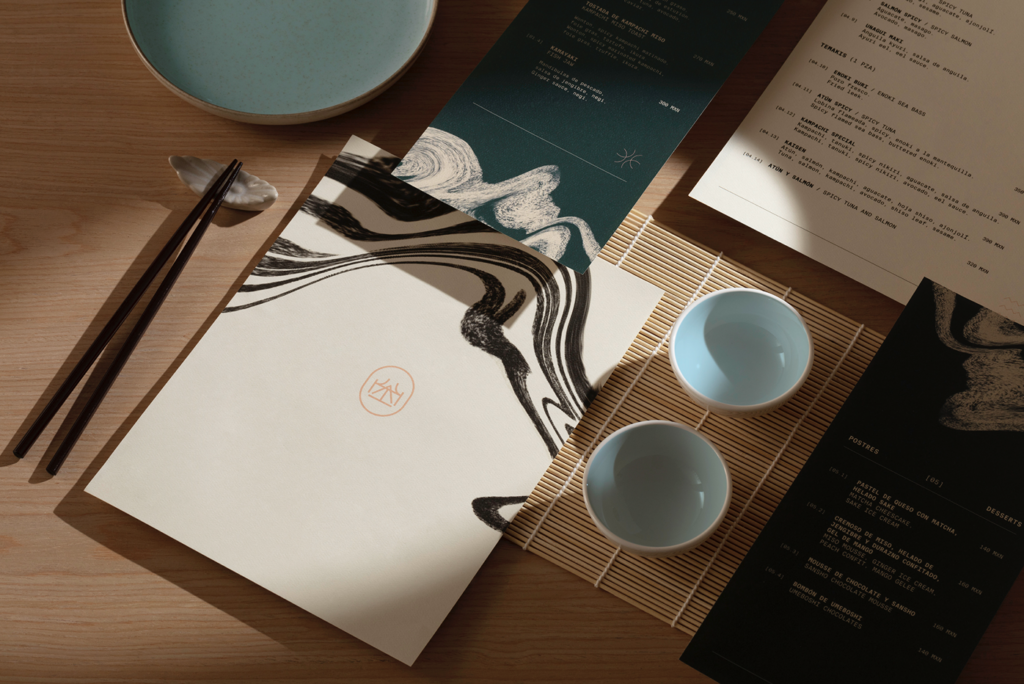
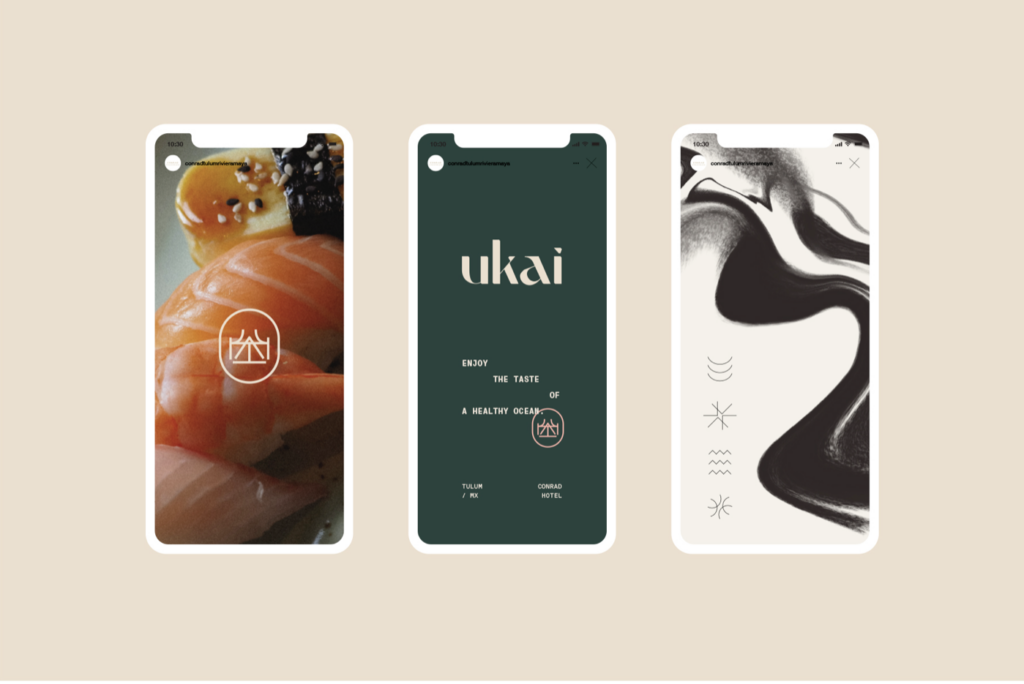
On Building a Brand That Lasts
Ricardo started the Branding People agency at just 22 years old, with no formal experience running a company. Everything — from drafting contracts to hiring, managing finances, and leading creative direction — was learned through doing. What kept the business not just afloat, but thriving, was a relentless commitment to problem-solving, making and following processes, and consistently showing up.
“You don’t need to know everything on day one — but you do need to be there, fully present, solving problems as they come. That’s how you build something that lasts.”
One of the most important lessons Ricardo emphasizes is the power of a strong portfolio. If he could give one piece of advice to anyone starting out, it would be: start building your portfolio — now.
“Brand your friend’s project. Your cousin’s bakery. Your uncle’s real estate firm. Brand everything. Build proof.”
This is how trust is built with new clients. It’s how opportunities begin to appear. And it’s how your studio stays resilient during slow seasons, he says.
In essence, succeeding in the creative business is about mastering the connection between the creative and the commercial — and making them work together as one.
Looking ahead, Ricardo sees 2025 as a pivotal year. His studio is preparing for a full rebrand and expansion, and one of the biggest shifts on the horizon is embracing AI.
Rather than fearing the rise of tools like ChatGPT or design automation, the studio is actively exploring how to integrate AI into its workflows — all while preserving human creativity at the core. Change is the only constant, and rather than resisting it, we should use it to evolve with intention.